
Menopause Plays an Integral Role in Women’s Cardiovascular Risks
As more women live longer and spend a significant part of their lives in the postmenopausal stage, the focus on women’s heart health is gaining increasing attention. Heart disease remains the leading cause of death for women over 50, with nearly one in three women experiencing some form of cardiovascular condition postmenopause. However, survival rates have improved in recent years due to increased awareness campaigns, such as American Heart Month, and advancements in early detection and treatment.
February is recognized as American Heart Month, with a special emphasis on women’s heart health. During this month, initiatives like National Wear Red Day (on the first Friday of February) raise awareness about heart disease in women, aiming to educate and promote preventive measures to improve heart health. Read on the learn why the age you entered menopause could impact your risk of heart disease, and to explore lifestyle strategies to help manage those risks.
The risk of heart disease intensifies for women over 50, particularly during the menopause transition. For instance, about one in four postmenopausal women may develop atrial fibrillation, an irregular heartbeat that can lead to serious complications if untreated. Menopause doesn’t directly cause cardiovascular disease, but the transition brings significant changes in women’s bodies that can increase their risk. During this period, women are particularly vulnerable to changes in blood vessel flexibility, cholesterol levels, and body fat distribution—all of which can contribute to cardiovascular complications. “Menopause involves a series of complex changes that can raise women’s cardiovascular risk. One key factor is the decline in estrogen levels, which normally help protect the heart,” explains Joy Gelbman, MD, a cardiologist at the Weill Greenberg Center. “Additionally, women may experience an increase in abdominal fat, along with elevated blood pressure and cholesterol levels,” she says.
Postmenopausal Heart Health Risks
Shifts in hormones, metabolism, and vascular function in postmenopausal years make proactive cardiovascular care essential. “Women who experience menopause later in life have a lower risk of cardiovascular disease than those who experience early menopause,” says Dr. Gelbman. Studies show that early menopause, defined as before age 45, can nearly double the risk of heart-related conditions, such as heart attacks and strokes, because the protective effects of estrogen on the cardiovascular system are lost earlier. Additionally, early menopause has been linked to a higher likelihood of cognitive decline and dementia. Studies show that women entering menopause before age 45 have up to a 35 percent increased risk of Alzheimer’s disease. In contrast, women who experience menopause closer to the average age of 51 or later enjoy prolonged hormonal protection that benefits both the heart and brain.
Lifestyle Tips for Heart Health
There are practical ways to support heart health before, during, and after menopause. Here’s a breakdown of some of the key lifestyle strategies recommended by the American Heart Association:
Get moving: Regular exercise is essential for heart health. Aim for at least 150 minutes of moderate aerobic activity each week. Exercise can help manage weight, improve sleep, and boost mood, which all contribute to a healthier heart.
Nourish your body: Eat a balanced diet rich in fruits, vegetables, whole grains, lean proteins, such as tuna and chicken and healthy fats, such as olive oil and avocado, to help lower cholesterol levels. Avoid processed foods.
Prioritize quality sleep: Sleep disorders are common during menopause, and quality sleep is vital for heart health. Quality sleep is deep, uninterrupted rest that leaves you feeling refreshed, alert, and well-rested. Aim for seven to eight hours of quality sleep each night. If you experience night sweats, insomnia, or other conditions that limit your body’s ability to fully rest and repair, discuss these issues with a health-care provider.
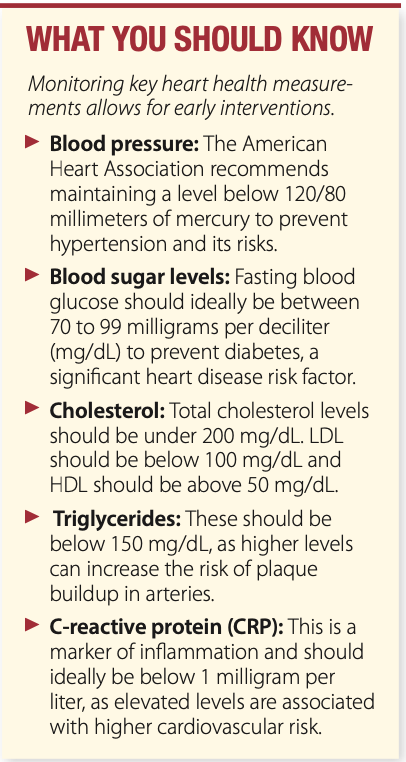
Track your health numbers: Monitor blood pressure, cholesterol, blood sugar, and body weight. Knowing these numbers and discussing them regularly with your health-care provider can help you stay on top of your heart health and catch potential issues early.
Personalized Heart Care
No two women experience menopause or heart disease risk factors in exactly the same way so personalized care is beneficial. Working with a health-care provider who understands the specific cardiovascular risks associated with menopause can lead to tailored preventive measures that are more effective for your unique health profile.
The post Menopause Plays an Integral Role in Women’s Cardiovascular Risks appeared first on University Health News.
Read Original Article: Menopause Plays an Integral Role in Women’s Cardiovascular Risks »
