
If Forgetfulness Is a Problem, Review Your Medications
Forgetting where you left your keys or struggling to recall someone’s name is a common problem that may leave you wondering if these are “senior moments,” or if they signify something more serious. Before jumping to conclusions about possible cognitive changes, it’s worth considering another possibility: your medications. Certain medications can interfere with memory, focus, and overall cognitive function.
For older women, who may be managing multiple health conditions, the likelihood of experiencing medication-induced memory problems increases. Identifying which medications might be the culprits can make a significant difference in maintaining your mental sharpness.
Meds That Can Affect Memory
Several types of medications are known to impact memory and cognition:
Anticholinergics: Chronic use of anticholinergics, which are found in medications for allergies, overactive bladder, and certain antidepressants, can lead to confusion and memory problems.
Benzodiazepines: Used for anxiety, insomnia, and muscle relaxation, medications like diazepam and lorazepam can cause sedation and impair short-term memory.
Statins: Some cholesterol-lowering statins may contribute to memory fog in sensitive individuals. This side effect is rare, but it is worth discussing with your doctor if you notice changes.
Opioids: Pain medications like oxycodone and hydrocodone can lead to difficulty concentrating and forgetfulness, particularly with long-term use.
Sleep aids: Over-the-counter and prescription sleep medications, such as zolpidem, can result in daytime grogginess, which may impact your ability to focus and recall information.
Antihypertensives: Some medications used to manage high blood pressure can affect memory by reducing blood flow to the brain. Beta-blockers, for example, are associated with fatigue and brain fog in some people.
Antidepressants: Some older antidepressants, such as tricyclics like amitriptyline, have anticholinergic effects that can impair memory. Newer antidepressants, such as sertraline (Zoloft), are less likely to affect memory, but may have cognitive side effects.
Discuss Concerns with Your Doctor
Don’t stop taking a medication abruptly if you suspect that it is causing forgetfulness. “It’s important to discuss concerns with a doctor to determine if the medication is truly linked to the side effect,” says Rekha Kumar, MD, an associate professor of medicine at Weill Cornell Medicine. “If that possibility exists, the physician and patient should decide together whether pausing the medication is safe.” Some medications need to be tapered gradually to avoid withdrawal symptoms. “We also need to understand how severe the side effect is and weigh that against the benefits of the medication,” says Dr. Kumar. “It’s always about balancing the risks and benefits in consultation with the patient.”
Steps You Can Take
Take these steps to minimize the impact of medication on cognition:
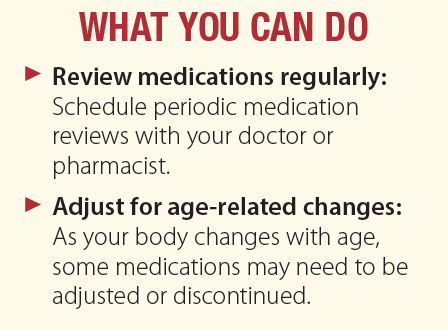
Talk to your doctor: Your health-care provider can review your medication list to identify potential culprits and suggest alternatives.
Adjust timing: For example, taking sedating medications in the evening may minimize daytime brain fog.
Consider dosage: A lower dose of the same medication might still be effective, while reducing cognitive side effects. Work with your doctor to find the right balance.
Limit use of over-the-counter medications: Many OTC medications, especially for allergies or sleep, contain anticholinergic ingredients. Opt for non-drowsy alternatives or consult your doctor for advice.
Maintain a healthy lifestyle: Exercise, proper nutrition, and mental stimulation can help counteract some of the cognitive effects of medications.
When to Seek Help
If memory issues persist despite addressing medication concerns, it’s important to consider other causes. “If the cause of forgetfulness is thought not to be a medication side effect, we should rule out other possibilities,” says Dr. Kumar. “These include hormonal changes, vitamin deficiencies, or underlying health conditions like mild cognitive impairment or early Alzheimer’s disease.” It’s also essential to assess basic lifestyle factors. “We need to look at routines such as sleep schedules, exercise, stress levels, and nutrition,” says Dr. Kumar.
By staying informed about how medications might be affecting your brain, you can take steps to preserve your mental clarity and confidence.
The post If Forgetfulness Is a Problem, Review Your Medications appeared first on University Health News.
Read Original Article: If Forgetfulness Is a Problem, Review Your Medications »
