
Take Steps to Keep High Cholesterol in Check and Improve Heart Health
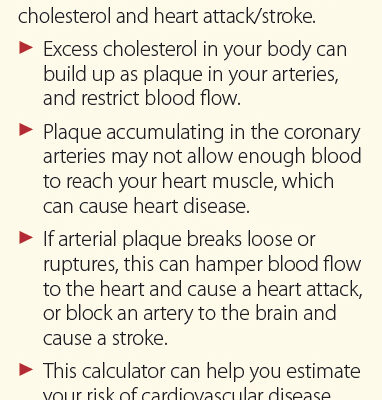
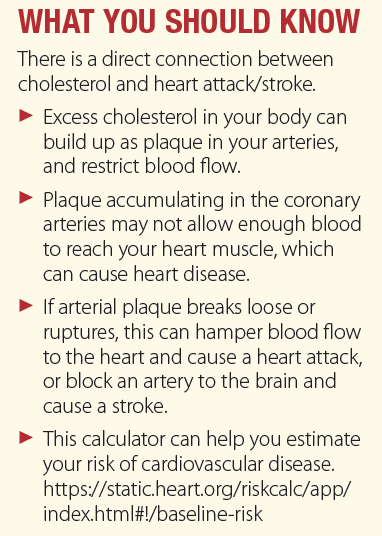
High cholesterol, medically known as hyperlipidemia, nearly doubles the risk of heart disease. If your cholesterol levels exceed the “healthy” range established by the American College of Cardiology and American Heart Association, you have hyperlipidemia. Simply put, hyperlipidemia means there are elevated levels of lipids, or fatty substances, in your blood. Having too much of these substances can lead to the buildup of plaque in your arteries, potentially causing blockages and increasing the risk of cardiovascular disease, and events such as heart attack and stroke.
Your Cholesterol Level
Total cholesterol is a measure of the overall amount of cholesterol in your blood. It includes low-density lipoprotein (LDL), often referred to as “bad” cholesterol, as well as high-density lipoprotein (HDL) and triglycerides. When you get a cholesterol test, your doctor will provide you with a total cholesterol number, as well as the individual levels of LDL, HDL, and triglycerides.
Having a high level of LDL cholesterol in your blood causes the buildup over time of plaque on the walls of your arteries. If plaque ruptures, it can block an artery and cause a heart attack or a stroke.
“The types of elevated cholesterol that are of most concern are LDL cholesterol and non-HDL cholesterol; it’s these types that are associated with chronic diseases,” says Jessica Peña, MD, MPH, Director of HeartHealth, the cardiovascular prevention program of the Dalio Institute of Cardiovascular Imaging at NewYork-Presbyterian/ Weill Cornell Medicine. “Non-HDL cholesterol is calculated by subtracting HDL cholesterol from total cholesterol, and it is a good measure of all of the ‘bad’ types of cholesterol in the blood,” explains Dr. Peña.
How to Lower Lipids
Lifestyle changes, including a healthy diet and regular exercise, can decrease cholesterol numbers by 5 to 10 percent. “Lifestyle therapy is always the first step in addressing hyperlipidemia. This includes a healthy diet emphasizing vegetables, fruit, whole grains, legumes, low-fat dairy, and healthy protein. Physical activity is also a key aspect of lifestyle therapy,” says Dr. Peña.
Drug Therapy Options
For some people, particularly those at high risk of developing heart disease and stroke or those who have already had a cardiovascular event, lifestyle changes are not enough, and medication is recommended to lower their risk. Statins, which are the most commonly used medications for hyperlipidemia, lower cholesterol levels by blocking a substance your body needs to make cholesterol. Atorvastatin (Lipitor), and rosuvastatin (Crestor) are among the most potent statins. “The decision to start medication is based on someone’s risk, and statins are often the first-line medication,” says Dr. Peña.
If statins are not enough, there are a multitude of other drugs that can be taken separately or combined with statins. In particular, PCSK9 inhibitors can reduce LDL to levels beyond what most statins can achieve and lower the overall risk of heart attack, stroke, and cardiovascular death by 25 percent. When used as an add-on treatment to statins, PCSK9 inhibitors can reduce cholesterol by 50 to 60 percent more than statins alone. Examples of PCSK9 inhibitors—which are administered by injection—include alirocumab (Praluent) and evolocumab (Repatha). Other cholesterol-lowering drugs include bempedoic acid, fibrates, and niacin.
High Cholesterol and Genetics
The newest cholesterol lowering drug is Evinacumab-dgnb (Evkeeza) for treatment of homozygous familial hypercholesterolemia (HoFH), a life-threatening condition characterized by very high cholesterol levels. “Individuals with familial hypercholesterolemia are at high risk of developing cardiovascular disease and are treated aggressively to lower cholesterol. There is ongoing research into how genetic factors predispose us to cardiovascular disease, and this will require continued study in diverse patient populations,” explains Dr. Peña.
While genetics can offer important clues into who is at risk for cardiovascular disease and who would benefit from cholesterol-lowering medication, Dr. Peña stresses that genetics is not destiny. “Even among people at high genetic risk, a favorable lifestyle that includes not smoking, being physically active, managing weight, and following a healthy dietary pattern reduces the risk of heart disease,” she says.
The post Take Steps to Keep High Cholesterol in Check and Improve Heart Health appeared first on University Health News.
Read Original Article: Take Steps to Keep High Cholesterol in Check and Improve Heart Health »
