
Add Seeds to Your Diet to Boost Protein and Fiber
When you think about healthy foods, seeds probably aren’t the first things that come to mind, but they’re packed with important nutrients.
Seeds provide protein that your body needs for muscle maintenance and growth, healthy bones, and production of enzymes and hormones. Nutrition experts recommend consuming a majority of plant-based foods for a healthier diet that’s linked with many health benefits. If you’re cutting back on animal-sourced foods, such as meat and poultry, seeds can help boost your protein intake. Seeds are also rich in fiber. Diets higher in fiber have been linked to many health benefits, including lower risks of heart disease, diabetes, and obesity. Some research has found an association between eating more fiber and a reduced risk of colorectal cancer.
And seeds are a good source of healthy, unsaturated fats. Many varieties of seeds contain alpha-linolenic acid (ALA), a type of omega-3 fatty acid that may help protect blood vessels from inflammatory damage. Seeds also contain phytonutrients, substances found in plant foods that help prevent oxidative stress and cell damage.
Here are details on the nutrient profiles of some popular varieties of seeds.
Sunflower Seeds
Sunflower seeds are super when it comes to vitamin E; a 1-ounce serving provides 11 international units (IUs) of vitamin E, which is about half of the daily recommended dietary allowance. In a 1-ounce serving (about two tablespoons) of sunflower seeds, you’ll get 5 grams of protein and 3 grams of fiber. Sunflower seeds also provide vitamins B1 and B6, several minerals, and phytonutrients, including flavonoids and phytosterols. Choose dried or dry-roasted, unsalted seeds rather than seeds roasted in oil.
Pumpkin Seeds
Pumpkin seeds are another good source of plant protein: 1 ounce (a little less than one-quarter cup) provides 9 grams of protein. Pumpkin seeds also contain 2 grams of fiber, as well as manganese, copper, calcium, iron, potassium, and zinc. They are particularly high in magnesium, a mineral that plays a role in regulating blood pressure and blood glucose levels and maintaining strong bones.
You’ll find dried pumpkin seeds, or “pepitas,” in the healthy snacks section of most grocery stores. If you carve pumpkins for Halloween, save the seeds, let them dry, and then roast them—they make a satisfying “graband- go” snack.
Flaxseed
One ounce (about three tablespoons) of flaxseed contains 5 grams of protein, 8 grams of fiber, and several other nutrients, including thiamin, magnesium, copper, and manganese. In addition, flaxseed is high in lignans, fiber compounds that act as antioxidants, and mucilage, a type of fiber that may improve absorption of nutrients.
Research has linked flaxseed consumption with lower LDL cholesterol levels and blood pressure, as well as less plaque buildup in arteries. A diet that includes flaxseed may also help regulate blood glucose and relieve constipation.
To get the most nutrients out of flaxseed, use ground flaxseed; whole flaxseed has a very tough outer hull that isn’t broken down in your digestive tract. You can grind flaxseed in a spice grinder or buy flaxseed that has already been ground.
Chia Seeds
Chia seeds have the highest fiber content of all seeds—10 grams of fiber in a 1-ounce serving (about two tablespoons). They also provide a healthy dose of protein (5 grams), as well as omega-3 fatty acids. Chia seeds contain several key minerals, including calcium, copper, iron, potassium, selenium, and zinc. And they’re rich in the phytonutrients kaempferol and quercetin.
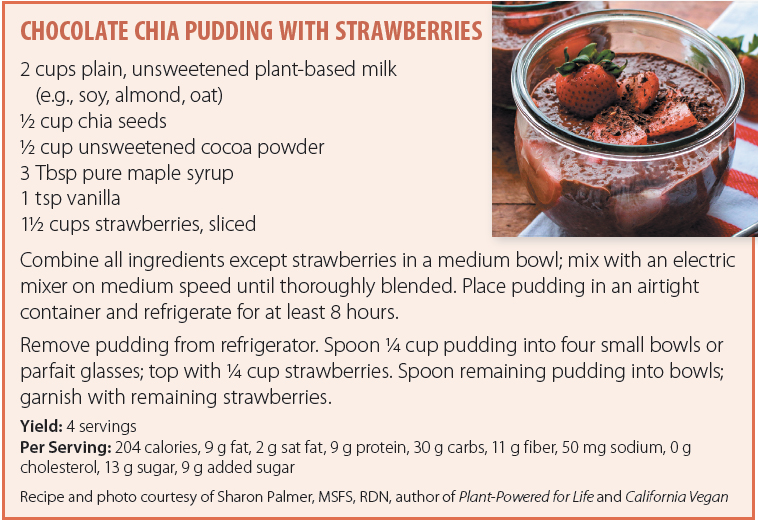
Chia seeds contain a type of soluble fiber called mucilage, which supports digestive health by slowing the rate at which food leaves the stomach and improving intestinal absorption of nutrients. When chia seeds are combined with water, they form a gel that can help bind ingredients together, so chia can be used as a replacement for eggs in many baking recipes (mix one tablespoon of chia seeds with three tablespoons of water and substitute it for one egg). Chia seeds can also be used to make healthy puddings.
Storage Tips
Since seeds contain fat that can break down and go rancid, proper storage is important. Keep seeds in a tightly sealed container in your refrigerator or freezer. Storing seeds in a warm pantry or kitchen can cause them to go rancid more quickly, as well as deplete some of their nutrient content.
The post Add Seeds to Your Diet to Boost Protein and Fiber appeared first on University Health News.
Read Original Article: Add Seeds to Your Diet to Boost Protein and Fiber »
