
High-Resolution Imaging Helps Diagnose/Predict Cardiac Problems
High-resolution imaging technology is transforming how physicians assess, predict, and manage cardiovascular risks. These tools provide detailed insights into the structure and function of the heart, enabling doctors to craft personalized treatment plans and identify early warning signs of future cardiac events. Women, in particular, benefit from this tailored approach, as they often present with subtler symptoms of heart disease compared with men. Whether you’re managing known risk factors or simply being proactive, this technology can play a pivotal role in your health journey.
People who undergo high-resolution cardiac imaging typically have:
- Suspected or confirmed coronary artery disease (CAD)
- Structural heart abnormalities, such as valve disease or cardiomyopathy
- Risk factors like diabetes, high blood pressure, or a family history of heart disease
- Prior inconclusive or abnormal cardiac test results
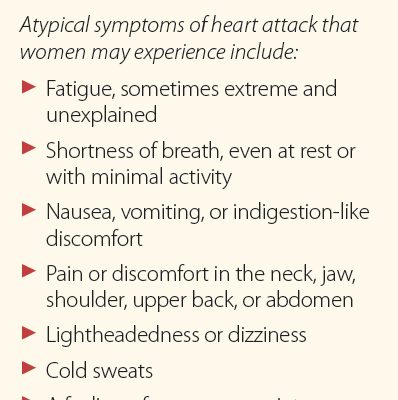
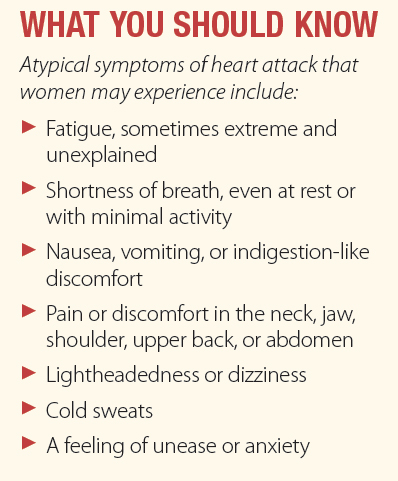
- Symptoms suggestive of heart attack (for more information see the What You Should Know box).
Research shows that high-resolution imaging, such as coronary CT angiography (CCTA), cardiac MRI, and echocardiography, can significantly improve outcomes by identifying the most effective interventions for each person. “While some people may have apprehension regarding the testing itself or what the results may show, it is important to remember that most of what is identified on these tests is treatable in some way,” says Joy Gelbman, MD, a cardiologist at the Weill Cornell Greenberg Center. “The technician executing the test will explain how the test is done, and the health-care provider who orders the test will review the results in detail and discuss appropriate next steps,” says Dr. Gelbman.
Advanced Imaging Tools
Each of these tools provides unique insights into heart health:
CCTA: Visualizes the coronary arteries, identifying blockages or narrowing that could lead to heart attacks. It is particularly useful for women experiencing chest pain or those at intermediate risk of heart disease. It’s also ideal for those unable to undergo stress testing due to physical limitations.
Cardiac MRI: Provides highly detailed images of the heart’s structure and function. It is often recommended for people with complex conditions such as cardiomyopathy or congenital heart defects. Cardiac MRI can detect early signs of heart failure even before symptoms appear. This test is particularly useful for evaluating complex structural abnormalities and assessing the extent of heart damage after a heart attack.
Echocardiography: Offers real-time visualization of heart valves and chambers. Stress echocardiography helps assess how well the heart performs under physical exertion and is ideal for patients with suspected coronary artery disease. It is ideal for women who are asymptomatic but have risk factors like high cholesterol or a smoking history.
Predicting Future Cardiac Events
High-resolution imaging isn’t just about diagnosing current problems—it can also forecast future risks. For instance, calcium scoring through CT scans measures calcium buildup in coronary arteries, and can benefit women with a family history of heart disease by predicting their risk of heart attack or stroke over the next decade.
Cardiac MRI also provides a wealth of predictive information. It can identify subtle changes in the heart, such as fibrosis, that may indicate an increased risk of arrhythmias or heart failure.
The information provided by these tests allows physicians to create individualized treatment strategies. For example, a woman whose calcium score reveals significant plaque buildup might be prescribed aggressive cholesterol-lowering therapy and guided toward lifestyle changes, such as adopting a Mediterranean diet and incorporating exercise into her routine.
Advances on the Horizon
High-resolution imaging is an increasingly powerful tool in the fight against heart disease. “There is abundant research happening in the field of imaging, particularly in artificial intelligence (AI),” says Dr. Gelbman. “With AI-enhanced analytics there is hope that we may be even better able to assess risk and predict/prevent cardiac events.”
The post High-Resolution Imaging Helps Diagnose/Predict Cardiac Problems appeared first on University Health News.
Read Original Article: High-Resolution Imaging Helps Diagnose/Predict Cardiac Problems »
