
Diagnosing Heart Problems Is the First Step In Managing Disease
Over 60 million women in the United States are living with some form of heart disease. The best way to prevent heart disease is understanding and managing things that put you at increased risk. For many people, this can be as simple as scheduling an annual checkup to screen for things like weight, blood pressure, cholesterol, and blood sugar. For others, it means undergoing more comprehensive testing to evaluate deeper heart issues.
Diagnosing Heart Problems
There are numerous tests available to diagnose problems affecting the heart. These range from noninvasive screenings to more involved procedures that may include the use of high-tech imaging equipment. If you are experiencing symptoms such as chest pain, shortness of breath, or irregular heartbeats, your physician may recommend diagnostic tests to assess the health of your heart.
“Common testing for exploring these symptoms includes electrocardiogram, echocardiogram, or a stress test,” says Joy Gelbman, MD, a cardiologist at the Weill Cornell Greenberg Center. Other tests that may be employed, depending on the patient’s signs and symptoms, include heart rhythm monitors, cardiac MRI tests, cardiac computerized tomography (CT) scans, and electrophysiology tests—for electrical issues such as irregular heart rhythms.
Signs, Symptoms and Family History
If you do not have heart disease symptoms but have a family history of heart disease, you are a likely candidate for a heart health evaluation. “Having a first-degree relative with early onset of cardiovascular disease, such as heart attack, arrhythmias, or sudden unexplained death, might warrant additional testing,” explains Dr. Gelbman. Even in the absence of symptoms or a family history of heart disease, your doctor might recommend further evaluation. “For example, testing might be warranted based on what is found on your physical exam, such as a heart murmur, elevated blood pressure, or swollen legs,” says Dr. Gelbman.
Guide to Common Heart Tests
Here is a guide to some common tests that are frequently ordered when your heart health is being evaluated:
Electrocardiogram (ECG). An ECG is a quick and painless test that checks your heart’s electrical system and heart rhythm. This test will be ordered if you have risk factors for an enlarged heart such as high blood pressure, or symptoms of heart disease such as chest pain, shortness of breath, palpitations, or an irregular heartbeat.
Echocardiogram. This exam uses sound waves to create detailed images of the heart in motion. An echocardiogram can help determine if a valve is narrowed or leaking. “An echocardiogram tells us if the heart is strong, or stiff, and if the valves are working normally,” explains Dr. Gelbman.
Stress tests. These tests involve walking on a treadmill or riding a stationary bike, while the heart is monitored. Exercise stress tests help reveal how the heart responds to physical activity and whether heart disease symptoms occur during exertion. For patients who are not physically fit enough to participate in an exercise stress test, there are alternatives. “We can administer an intravenous medication stress test that shows how blood flows through the heart, or a CT scan that looks at the coronary arteries and assess for blockages,” Dr. Gelbman explains.
Cardiac catheterization. This test can show blockages in the heart’s arteries. Under sedation, in a surgical setting, a long, thin flexible tube (catheter) is inserted in a blood vessel, usually in the groin or wrist, and guided to the heart. Dye flows through the catheter to arteries in the heart. The dye helps the arteries show up more clearly on x-ray images taken during the test.
Consistent Follow-up
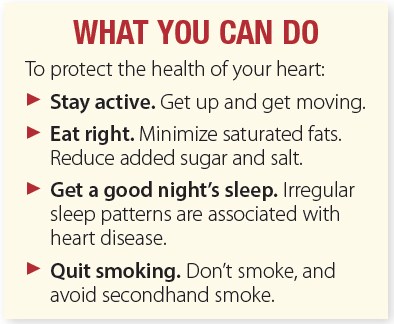
“It is important to have regular followup with your doctor since some cardiac risk markers such as high blood pressure, high cholesterol, and elevated blood sugar do not always cause symptoms,” says Dr. Gelbman. Many of the major risk factors for heart disease can be modified and controlled with lifestyle changes such as a heart-healthy diet and exercise.
Your doctor will decide which tests are important both to diagnose what you have and to rule out certain diseases. Diagnosis is the first critical step in planning a treatment strategy. “Your doctor will work with you to figure out if your symptoms are cardiac in nature,” says Dr. Gelbman, “and if they are, they will help to identify the appropriate treatment strategies.”
The post Diagnosing Heart Problems Is the First Step In Managing Disease appeared first on University Health News.
Read Original Article: Diagnosing Heart Problems Is the First Step In Managing Disease »
