
Adopt Healthy Sleep Habits to Prevent Chronic Disease
Once in a while it’s normal to have difficulty falling asleep because you have a lot on your mind, or staying asleep because menopause and night sweats go hand in hand. But when occurrences like those—or others that impede your ability to get a good night’s sleep—happen frequently, it could end up making you sick. Sleep plays a crucial role in maintaining overall health and well-being, including the prevention and management of chronic diseases. Most adults require seven to nine hours of sleep a day, and research suggests that consistently not getting enough sleep or experiencing poor sleep quality can increase the risk of serious health problems, including cardiovascular disease, obesity, diabetes, and mental health disorders.
Causes of Insufficient Sleep
Many factors could be responsible for insufficient or poor quality sleep. “Anything that disrupts sleep, whether it be obstructive sleep apnea, insomnia, or even a condition such as restless legs syndrome, can compromise the process of getting sufficient, quality sleep,” says Daniel Barone, MD, associate medical director, Weill Cornell Center for Sleep Medicine. Most cases of insomnia are related to poor sleep habits, such as scrolling through your phone while already in bed. But stress, lack of exercise, chronic illness, and some medications can also play a role in insomnia. Another key piece of the sleep puzzle is mental health. “Sufficient quality sleep plays a critical role in emotional regulation and balanced mental health,” says Dr. Barone. “But, if you’re not sleeping well, your mental health may be affected, and if your mental health is poor, quality sleep may be elusive.”
Sleep and Chronic Disease
Getting an adequate amount of quality sleep helps fight chronic diseases in several ways. For instance:
Immune function: During sleep, the immune system produces cytokines, which are proteins that help fight infection and inflammation. Chronic sleep deprivation can compromise immune function, increasing susceptibility to infections and chronic illnesses.
Blood sugar levels: Sufficient sleep helps regulate blood sugar levels by influencing insulin sensitivity. Chronic sleep deprivation is associated with insulin resistance and type 2 diabetes.
Cardiovascular health: Adequate sleep helps regulate blood pressure and reduces the risk of heart disease and stroke. Chronic sleep deprivation is linked to hypertension, inflammation, and an increased risk of heart disease.
Weight management: Sleep plays a role in regulating hunger hormones such as leptin and ghrelin. Lack of sleep disrupts this balance, leading to increased appetite, cravings for high-calorie foods, and weight gain. Obesity, in turn, is a risk factor for various chronic diseases, including type 2 diabetes, heart disease, and some cancers.
Cognitive function: Quality sleep is essential for memory, concentration, and decision-making. Chronic sleep deprivation has been associated with cognitive impairment, mood disorders, and an increased risk of neurodegenerative diseases such as Alzheimer’s disease.
Healthy Sleep Habits
Keeping a detailed sleep diary for one to two weeks is the first step in identifying detrimental sleep issues. Keep a record of your bedtime, wake-up time, nighttime awakenings, and daytime fatigue. Assess your sleep quality by considering factors like snoring, nighttime disturbances, and how refreshed you feel in the morning. Include your lifestyle habits in the diary, as well, such as how much time you spend working or volunteering, any stress that you’re experiencing, and don’t forget to record how much screen time you’re indulging in before bed. “There is no one-size-fits-all resolution and no medication that will reverse sleep disturbances, so the solution is to find out if there is an underlying cause and, if so, take care of it,” says Dr. Barone.
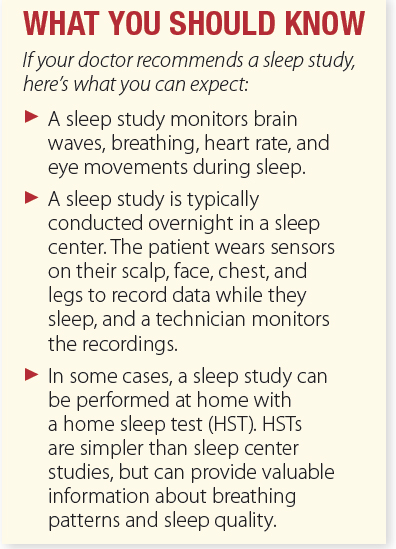
Is a Sleep Study Right for You?
Determining whether insufficient sleep is contributing to a health condition requires a thorough assessment. “If you are waking often during the night, unable to fall asleep, or exhausted during the day, that should be discussed with your doctor,” says Dr. Barone. “When people have those symptoms, undergoing a sleep evaluation—either by a sleep specialist like myself or via a sleep study—is warranted,” says Dr. Barone.
Adopting healthy sleep habits can improve your overall well-being. Create a relaxing bedtime routine, limit caffeine and alcohol intake in the evening, avoid screens before bed, and aim for consistent sleep and wake times. If sufficient quality sleep remains elusive, share the details with your doctor so you can get a thorough evaluation and access appropriate help.
The post Adopt Healthy Sleep Habits to Prevent Chronic Disease appeared first on University Health News.
Read Original Article: Adopt Healthy Sleep Habits to Prevent Chronic Disease »
