
Cardiac Rehabilitation Still Underutilized
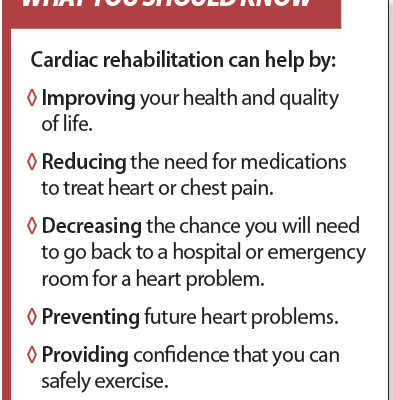
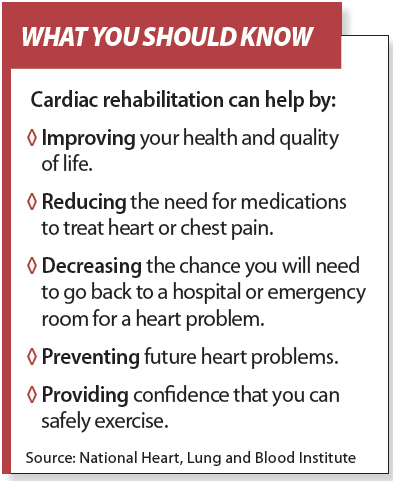
One of the best ways to improve and speed up your recovery from a major cardiovascular event is to participate in a cardiac rehabilitation program. These programs are tailored to people who have suffered a heart attack or undergone heart surgery and also can improve health and quality of life among people who develop heart failure. Recent studies underline these benefits, but also confirm that people who are particularly vulnerable to poor cardiovascular outcomes are among the least likely to take part in cardiac rehabilitation. Mount Sinai cardiologist Bruce Darrow, MD, PhD, notes that many of his patients don’t follow up his recommendation to participate in cardiac rehabilitation, but adds that they often face challenges that make participation difficult.
Cardiac Rehabilitation 101
Cardiac rehabilitation programs combine medically supervised physical activity with education about healthy lifestyle choices that can benefit cardiovascular health. Numerous studies have shown that such programs reduce symptoms and boost longevity among attendees by helping them get more exercise. “People who suffer a major cardiovascular event often are scared to engage in physical activity afterward because they fear it may further damage their heart,” says Dr. Darrow. “In fact, exercise is key to helping you do more after sustaining heart damage and can give you back a sense of control over your health.” That said, some people may experience cardiac complications if they overdo things. “The fact that exercise sessions in cardiac rehabilitation programs are medically supervised is useful in these cases, since healthcare providers can establish a person’s baseline fitness level and devise an individualized exercise regimen that is safe,” Dr. Darrow explains.
It also may be difficult for people who have consumed a poor diet over decades to make the move toward eating healthier foods. This is vital because drugs alone may not be enough to prevent subsequent cardiovascular events. “People usually recover better from heart attacks and heart surgery if they avoid foods that promote weight gain and contribute to high blood pressure, high cholesterol, and high blood sugar,” says Dr. Darrow. “A cardiac rehabilitation program provides nutritional advice to help people make healthier food choices.”
If you smoke, a cardiac rehabilitation program offers counseling to help you quit. Another vital service the programs provide is encouraging medication adherence, which can falter even after a serious cardiovascular event—for example, studies have suggested that one in five people who suffer a heart attack stop taking cholesterol- lowering statins within two years and that nearly two in five often skip the recommended dose of medication. “However, people who take part in cardiac rehabilitation are more likely to regularly take their statins,” Dr. Darrow notes. “This may be due to the fact they are more informed about the purpose of these drugs, and the fact that side effects often don’t persist or can be relieved by adjusting the dosage or substituting an alternative drug.”
Lastly, cardiac rehabilitation programs incorporate a psychosocial element that can help people manage the depression and stress that often follow a serious cardiovascular event.
Clear Benefits
A 2023 study from the University of Michigan Medical School investigated how cardiac rehabilitation helps people who undergo coronary artery bypass surgery (CABG) for severely narrowed or blocked heart arteries. During the procedure, blood vessel grafts taken from a vein in the leg or the internal thoracic arteries in the chest wall (or parts of both) are used to bypass blockages in the coronary arteries that might otherwise contribute to a first or subsequent heart attack. For the study (Annals of Thoracic Surgery, June 29, 2023), researchers looked at 6,412 Medicare recipients who underwent CABG between Jan. 1, 2015, and Sept. 30, 2019. Among these individuals, 3,848 participated in cardiac rehabilitation for an average of 23 sessions, and 770 completed 36 sessions (the recommended number after CABG). “The analysis showed that study participants who underwent cardiac rehabilitation reduced their rate of death during the two years following their surgery by 3 to 5 percent compared with those who did not attend cardiac rehabilitation,” says Dr. Darrow. “The greatest reduction in mortality was seen in people who completed 36 or more sessions.”
Low Attendance
In the CABG study, just over half of the participants attended a single session of cardiac rehabilitation, and only 12 percent completed all 36 sessions. Dr. Darrow says that people who don’t attend a program often would like to but cannot because of the time involved. “You may need to attend several times a week over the course of two to three months, and if you still work or are caring for a spouse or family member who is in poor health, or caring for grandchildren, getting time away from those responsibilities may be very difficult,” he observes. “You also may not be able to find a program near your home— if you no longer drive and do not have access to other convenient transportation options, that’s another obstacle.” He adds that people themselves can be an obstacle. “Sometimes a person who has suffered a major cardiovascular event wants to put it all behind them,” he explains. “As far as these individuals are concerned, cardiac rehabilitation may seem like a constant reminder of what happened. People also sometimes underestimate just how important cardiac rehabilitation is for regaining their health.”
Referral Lacking?
The attendance shortfall seen in the CABG study occurred despite health systems referring about 94 percent of their CABG patients to a program. Another recent study, from a team at UT Southwestern Medical Center, suggests this referral rate may be unusually high. The study, published in Circulation: Heart Failure, August 2023, focused on older adults who had heart failure with reduced ejection fraction (HFrEF), a type of heart failure that often develops in people who have suffered a heart attack. In 2014, the Centers for Medicare & Medicaid Services expanded coverage for cardiac rehabilitation among people with chronic, stable HFrEF who remain out of the hospital for six weeks. After the coverage expansion, cardiac rehabilitation referral rates among the 69,441 study participants increased from about 8 percent in 2010 to about 24 percent in 2020. It was possible to follow referrals and participation in 8,310 participants with Medicare who remained clinically stable six weeks after discharge. Among this group, only about 25 percent were referred to a program. Cardiac rehabilitation utilization among these referred participants was about 4 percent, and these individuals attended about seven sessions of rehabilitation.
The study authors say their findings highlight a substantial implementation gap in the referral of cardiac rehabilitation among people with HFrEF. Dr. Darrow agrees and adds possible reasons for the gap. “Some doctors may be based at hospitals that don’t have a program or in areas where there isn’t a program within a reasonable traveling distance,” he says. “In the study, older adults and people with a higher comorbidity burden were least likely to be referred for cardiac rehabilitation, so it also may be that doctors are being guided by patient frailty and other health-related limitations—they may assume patients simply are not well enough for cardiac rehabilitation.”
Racial Disparity
In the HFrEF-focused study, Black people also were among those least likely to be referred. Other studies also have pointed to low participation in cardiac rehabilitation among Black people and other minorities. In one 2022 study, the probability of attending cardiac rehabilitation was 31 percent lower among Asian Americans, 19 percent lower for African Americans, and 43 percent lower for Hispanic Americans, compared with white people. The reason for these disparities is an area of active research. “It’s possible that distance may be one factor,” Dr. Darrow notes. “A 2022 study found that Black people are almost three times more likely than other groups to live five miles or more from a facility that offers cardiac rehabilitation.”
Home-Based Programs
If your doctor has recommended cardiac rehabilitation but you have problems getting to a facility, ask him or her about home-based programs. A small study of U.S. veterans (Journal of the American Heart Association, March 7 2023), found that participating in home-based cardiac rehabilitation after a heart attack or cardiac procedure was associated with a 36 percent lower risk of death from heart-related complications within four years compared with people who opted out of rehabilitation programs. The study is the first to point to a survival benefit with home-based cardiac rehabilitation. Keep in mind, though, that Medicare coverage currently is restricted to on-site or facility-based cardiac rehabilitation.
You also can work with your cardiologist to formulate a rehabilitation program of your own. “Include exercise sessions with a local fitness instructor who has experience working with older adults who have heart issues, smoking cessation counseling, and dietary advice from a registered nutritionist,” Dr. Darrow advises.
The post Cardiac Rehabilitation Still Underutilized appeared first on University Health News.
Read Original Article: Cardiac Rehabilitation Still Underutilized »
