
Dietary Changes After Menopause Address Declining Estrogen Effects
As women age, our nutritional needs change. Estrogen levels after menopause can result in the body storing more fat and burning calories less efficiently, so it’s not unusual to gain a few pounds. What’s more, women lose up to 10 percent of their bone mass in the first five years after menopause, which increases the importance of adequate calcium intake.
Making thoughtful nutritional choices can combat the effects of declining estrogen. When adjusting your diet to optimize postmenopausal health, a good rule of thumb is to prioritize nutrient-rich foods, with an emphasis on anti-inflammatory items rich in antioxidants, sterols, and flavonoids, such as leafy greens, colorful vegetables, and fruits. Preparing foods with heart-healthy oils, choosing lean proteins like fish instead of red meat, and opting for low-fat dairy round out the regimen.
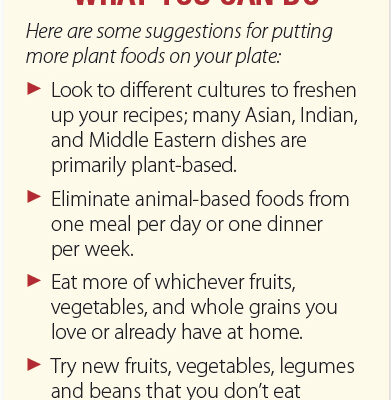
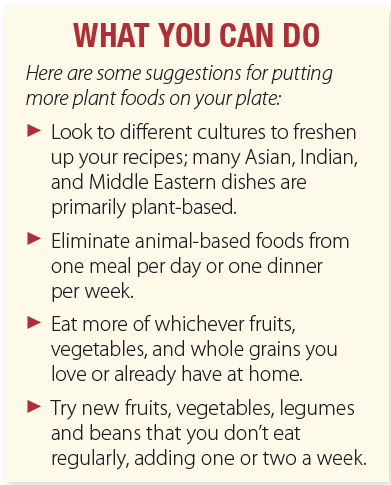
“In the postmenopausal years, making plant-based foods the star of each meal can help to maximize our intake of the antioxidants, sterols, and flavonoids that these foods contain,” says Gabrielle Gambino, MS, RD, a senior clinical dietitian at New York-Presbyterian/Weill Cornell Medicine. “This, in turn, can help our bodies function properly and fight off disease.” Foods high in sterols include fruits, legumes, nuts, vegetables, vegetable oil, wheat germ, and whole grains. Flavonoid-rich foods include onions, kale, grapes, tea, peaches, berries, tomatoes, scallions, and broccoli.
Losing Weight After Menopause
If you want to slim down for aesthetic purposes or if your doctor recommends weight loss for health reasons, Gambino recommends taking stock of your current diet and identifying foods that are not rich in nutrients— such as candy, chips, ice cream, cakes, and cookies—and limiting those things to one or even two servings a day. “Focus on the plants—fruits and vegetables—and include fiber-rich foods and foods with a high water content to help you feel full without overeating at meals. Also, optimize your protein at meals, making sure to have some source of lean, highprotein food—such as tofu, chicken, turkey, or fish—at breakfast, lunch, and dinner since these foods take longer to digest and won’t leave you craving sugar shortly after the meal is over,” says Gambino. “Finally, watch out for sugarsweetened beverages like flavored teas, coffee drinks, juice, and sodas since the additional calories and sugar from these add up.”
Above all, apply a slow and steady approach to weight loss. “Ease into it, making one or two changes each week,” says Gambino. “Oftentimes, we try to change too many lifestyle behaviors at once, which sets us up for unnecessary stress and an inability to sustain lasting changes down the road.”
Prioritize Postmenopausal Bone Health
Bone health is another area that warrants postmenopausal dietary attention. Bone density starts to decrease with lowered levels of estrogen around the time of menopause, and continues to decrease after menopause. Having lower levels of estrogen increases the risk of developing osteoporosis. About one in two women over the age of 60 will experience at least one fracture due to osteoporosis. “Prioritizing bone health is very important, especially as we age, due to hormonal changes. To do this we need to include foods in our diet that are rich in calcium, vitamin D, vitamin K, selenium, magnesium, and beta-carotene,” says Gambino.
Before menopause, about 1,000 milligrams (mg) of calcium daily is sufficient, whereas after menopause, doctors recommend up to 1,300 mg of calcium per day, which is equal to three to four servings of dairy. Other good sources of calcium include firm tofu, almonds, dark green leafy vegetables, and sardines. Vitamin D is important for calcium absorption. In fact, its primary function is increasing intestinal calcium absorption to support bone strength and reduce the risk of fractures. Without adequate vitamin D, the body absorbs no more than 10 to 15 percent of dietary calcium. A blood test can determine if you are deficient in vitamin D. If you are not getting enough vitamin D naturally from food and sunlight, your physician may recommend a supplement.
Body Changes Come with Age
Changes in weight and body composition in the postmenopausal years are a natural part of aging. All too often, we let the numbers on the bathroom scale determine if we should modify our diet, but looking past those numbers and considering the bigger picture can sometimes be more helpful. “Everyone’s body is different based on genetics and physical capabilities,” says Gambino. “It’s important to check in with your body to see how you’re feeling. Some of us may not feel as strong or healthy at a lower weight, and that’s okay. It’s important to honor that—as long as you maintain a healthy diet.”
The post Dietary Changes After Menopause Address Declining Estrogen Effects appeared first on University Health News.
Read Original Article: Dietary Changes After Menopause Address Declining Estrogen Effects »
