
Fight Free Radicals with Antioxidants
If “free radicals” sounds to you like a ’60s protest chant, you haven’t been keeping up with the hype about antioxidants.
“Antioxidants fight free radicals, which damage and lead to aging of the body’s cells,” explains Rachel Lustgarten, registered dietitian nutritionist at Weill Cornell Medicine. “Our body is exposed to oxidation (cells breaking down and combining with oxygen) through the digestion of the foods we eat, the smoke we breathe, and the radiation in our environment. Over time, these free radicals can contribute to aging, cancer development, and heart disease.”
Here’s good news: Healthy cells fight off and eliminate free radicals, but you need nutrition to build healthy cells— specifically, antioxidants. “A wide variety of plant-based foods is the best way to obtain antioxidants,” Lustgarten says.
A 2019 study of more than 40,000 French women over almost 13 years reported that those in the highest one-fifth of dietary antioxidant intake were at 15 percent lower risk of developing high blood pressure. Another study found that women with greater antioxidant intake from foods such as fruits and vegetables were at lower risk of developing diabetes over 15 years of follow- up.
What Are These Fighters?
Free-radical fighters include such familiar nutrients as vitamins C and E, carotenoids such as beta-carotene, and the mineral selenium, as well as many different phytonutrients, such as flavonoids. Food sources of antioxidants can deliver these nutrients as well as many others beneficial to your health, such as other vitamins and minerals, fiber, and unsaturated fats. This combination may help explain why research on individual antioxidants in supplement form has mostly disappointed: The synergistic effects of nutrients in foods can’t be duplicated by pills.
For this reason, Lustgarten cautions against taking supplements. “Studies haven’t been able to accurately capture their long-term benefits or attribute any success to a specific dosage or use,” she says. “Additionally, taking supplements at too high a dose can have the opposite impact—contributing to cell oxidation.”
What Antioxidants Do
Vitamin C appears to protect the endothelium (a layer of cells that lines blood vessels, the heart, and lymph vessels), which may reduce the risks of heart disease and dementia.
Several studies have found that older adults who consumed the most vitamin E from foods were the least likely to develop Alzheimer’s disease and other forms of dementia. Another study that measured the selenium levels of elderly people found that those with the highest levels scored 10 years younger on tests of cognitive function compared to those with the lowest levels.
Lycopene, a carotenoid found in tomatoes, watermelon, and other produce, may reduce your risk of stroke. One study found that those with the highest blood levels of lycopene were 55 percent less likely to suffer a stroke than those with the lowest lycopene levels. Lycopene also may reduce inflammation and cholesterol, prevent blood clots, and boost immune function.
Specific antioxidant-rich foods have also been linked to health benefits. A 2019 study found that eating lots of blueberries, rich in anthocyanin pigments that give the berries their blue hue, was associated with a decrease in systolic blood pressure in healthy people. In one month, blood pressure was reduced by 5 millimeters of mercury—similar to what is commonly seen in studies using antihypertensive medication.
Build Shopping Smarts
Foods that fight free radicals also happen to be among the healthiest choices at the store or market. “Plant-based foods are the foundation for healthy eating in general—in part because they are excellent sources of antioxidants,” says Lustgarten. “Fruits, vegetables, and beans, as well as green tea, red wine, and dark chocolate, are good sources.”
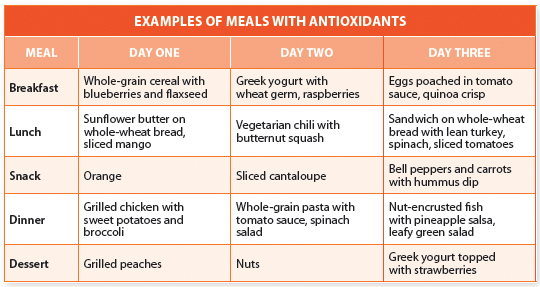
Whole grains, nuts, and seeds also contain free-radical fighters, while contributing fiber and healthy unsaturated fats. Flaxseeds, for example, contain the antioxidants p-coumaric acid and ferulic acid. Brazil nuts are packed with selenium, while almonds, sunflower seeds, wheat germ, and even good old oatmeal are sources of vitamin E. Quinoa, one of the only plant sources that is a complete protein, is also high in the antioxidant flavonoids quercetin and kaempferol, which have anti-inflammatory properties.
We all have free radicals in our system. But the healthier we are, the better our bodies will be able to fight them off. Choosing an overall healthy diet that emphasizes a variety of plant foods will give you the nutrients you need to keep these cellular thugs at bay.
The post Fight Free Radicals with Antioxidants appeared first on University Health News.
Read Original Article: Fight Free Radicals with Antioxidants »
