
The Best Calcium-Rich Foods for Non-Meat Eaters

Fruits, vegetables, and nuts are good sources of calcium. © KucherAV | Getty Images
We all know that calcium is good for our bones and dairy milk just happens to be a good source of calcium. But what happens if we don’t drink milk due to dairy allergies or diets, such as a vegan diet? Does this diet doom us to a life of inadequate levels of calcium? It is well established that insufficient calcium intake may contribute to bone fractures, osteoporosis, and cardiovascular issues. Thankfully, there are plenty of vegan-aligned, calcium-rich foods that are not made with dairy.
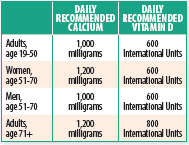 But first, let’s review how much calcium a person actually needs, keeping in mind that this nutrient does not work alone. In addition to getting your recommended daily intake of calcium, you must also get enough vitamin D to help support optimal bone health. Vitamin D aids the absorption of calcium, and without enough vitamin D, all the calcium you ingest may not actually be absorbed into the body. Vitamin D should be acquired through fortified foods and natural sunlight.
The recommended daily intake of calcium for adults ages 19 to 50 is 1,000 mg, and for women ages 51–70 the recommended daily intake raises to 1,200 milligrams (mg). All adults 70 and older should to aim for 1,200 mg of calcium per day.
 As for vitamin D, adults 19–70 should have 600 International Units (IU) a day, and adults over the age of 71 are recommended to have 800 IU. Many calcium-rich foods are also fortified with vitamin D, and our bodies also naturally produce this nutrient when we get sun on our bare skin. Just be sure to safely get those sun rays.
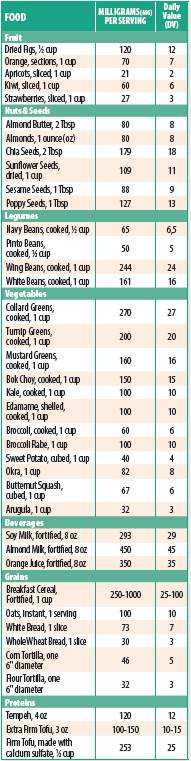
Non-Dairy Sources of Calcium. There are many fruits, vegetables, and legumes that are easy to fit in a vegan diet and will help you reach the recommended 1,000 mg of calcium a day. Luckily, vegetarian and vegan diets are becoming more popular, so there are many non-dairy products that are fortified, like juices and dairy-free milk.
Symptoms of Calcium Deficiency. Calcium deficiency symptoms remain the same regardless of diet. However, it’s especially important for non-meat-eaters and vegans to be mindful of these symptoms because they run the risk of being deficient of other nutrients, like vitamin B12, iron, and zinc.
Symptoms of calcium deficiency may include:
Muscle aches and cramps, especially in the legs
Numbness and tingling in the hands, arms, legs, and feet
Dry skin
Dry, broken, or brittle nails
If you are at high-risk for calcium deficiency, these symptoms should be followed up with a visit to your doctor. If calcium deficiency goes on for too long, there is a much higher risk for osteoporosis, severe dental problems, depression, chronic joint and muscle pain, and bone fractures. Be sure to talk with your doctor if you are at risk of calcium deficiency to develop a plan.
The post The Best Calcium-Rich Foods for Non-Meat Eaters appeared first on University Health News.
Read Original Article: The Best Calcium-Rich Foods for Non-Meat Eaters »
