
Frequent Daytime Fatigue May Be Caused by a Sleep Disorder
Getting inadequate sleep may be doing far more than making you feel tired and out of sorts: Research has shown that many health problems, including heart disease, stroke, diabetes, obesity, and depression, are associated with poor sleep. Lack of sleep also weakens your immune system, which makes you more vulnerable to infectious diseases.
If you’re not sleeping well, there are plenty of possible reasons: There are about 80 different sleep disorders, in addition to the most common sleep disorder, obstructive sleep apnea. Here’s a look at some sleep disorders other than sleep apnea.
Restless Legs Syndrome
Restless legs syndrome (RLS) is characterized by uncomfortable sensations in the legs and feet while lying in bed. Sensations of RLS have been described as tingling, itching, creeping, crawling, or tightness.
Experts suspect that RLS is related to low levels of dopamine, the chemical that carries signals between brain cells that control body movement. RLS often coexists with Parkinson’s disease, a condition caused by insufficient dopamine production.
In some people, RLS symptoms can be eased or prevented with medications such as gabapentin (Neurontin), gabapentin enacarbil (Horizant), and pregabalin (Lyrica). Drugs that stimulate dopamine receptors in the brain are sometimes prescribed, but side effects associated with these medications can be problematic.
Research has linked RLS with risk factors including obesity, physical inactivity, alcohol consumption, and smoking. Some evidence suggests that deficiencies of certain nutrients, including vitamins D and B12, folate, iron, and magnesium, may contribute to RLS.
Periodic Limb Movement Disorder
In periodic limb movement disorder (PLMD), the legs (or, less commonly, the arms) move during sleep. These movements can last from a fraction of a second to five seconds, and they can range from brief muscle twitches to more violent, jerking movements.
Some antidepressants can aggravate PLMD, and withdrawal from sedative drugs can bring on the condition or make it worse. PLMD has been associated with kidney disease, diabetes, anemia, and sleep apnea.
PLMD often causes frequent nighttime awakenings, but most people who have PLMD are not aware of the movements or disruptions in their sleep. People with PLMD also may experience the tingling or creepy-crawly sensations of RLS.
Medications used to treat PLMD are similar to the ones used for RLS. Deficiencies of vitamins D and B12, iron, and/or folate may trigger PLMD.
Narcolepsy
Narcolepsy is a chronic neurological disorder that stems from a genetic trait that may be triggered by autoimmune conditions or other factors.
In narcolepsy, the brain is unable to regulate sleep-wake cycles normally. The major symptom of narcolepsy is excessive daytime sleepiness. In most cases, the urge to sleep during the day interferes with daytime activities.
About 70 percent of people with narcolepsy experience cataplexy, an abrupt loss of muscle tone that may be provoked by strong emotions. Other symptoms include sleep paralysis (being unable to move during the transition from REM sleep to wakefulness) and vivid hallucinations before falling asleep or upon awakening.
Modafinil (Provigil), armodafinil (Nuvigil), and solriamfetol (Sunosi) are FDA-approved medications for treating the excessive daytime sleepiness resulting from narcolepsy. Sodium oxybate (Xyrem) is a nighttime medication approved for narcolepsy with cataplexy.
People with narcolepsy are urged to keep a regular sleep schedule and avoid sleep deprivation. They may also take regularly scheduled brief naps at times when they feel sleepiest.
Hypersomnia
Hypersomnia is characterized by episodes of excessive daytime sleepiness, even with adequate nighttime sleep. The condition is different from the daytime sleep episodes of narcolepsy. People with hypersomnia feel driven to nap, often for long periods; however, the naps are not refreshing. Other symptoms may include anxiety, irritability, restlessness, slowed thinking, and memory problems.
Hypersomnia may be caused or worsened by another sleep disorder such as sleep apnea, drug or alcohol abuse, medication withdrawal (or by some medications themselves), head trauma, depression, epilepsy, or multiple sclerosis.
Hypersomnia is treated by addressing the underlying cause. If no cause is found, the disorder is called idiopathic hypersomnia and may be treated with similar approaches used for narcolepsy, including medications and behavioral changes.
Sleep Paralysis
If you have ever awakened from a dream and been unable to move, you’ve experienced sleep paralysis. The episodes may last from a few seconds to several minutes. Some people become frightened or panicky during sleep paralysis, mistakenly thinking they are in danger.
Sleep paralysis sometimes occurs if you haven’t had enough sleep. If it occurs frequently, it may be a sign of another sleep disorder, such as obstructive sleep apnea or narcolepsy.
Most people do not require treatment for sleep paralysis. Keeping a regular sleep schedule and avoiding sleep deprivation or sleep loss are strategies that may help.
REM Sleep Behavior Disorder
REM sleep behavior disorder (RBD) is the opposite of sleep paralysis: People lose the normal paralysis that occurs during REM sleep and essentially act out their dreams. These behaviors may be violent; people with RBD may strike out at their bedmate or suffer injuries from falling or jumping out of bed.
RBD may be brought on by the abrupt withdrawal of drugs or alcohol. It’s more likely to occur in people with Parkinson’s disease, dementia, anxiety, cerebrovascular disease, or post-traumatic stress disorder.
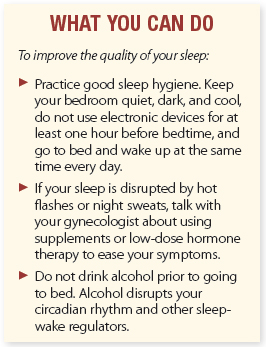
These are just a few of the many sleep disorders that have been identified. It’s also possible to have trouble sleeping even if you don’t have a sleep disorder. Factors that commonly interfere with sleep include medical conditions, medications, and poor sleep hygiene.
If you have problems sleeping for several weeks or you’re often sleepy during the day, don’t ignore it. Good sleep isn’t a luxury; your body and brain require it to function optimally.
The post Frequent Daytime Fatigue May Be Caused by a Sleep Disorder appeared first on University Health News.
Read Original Article: Frequent Daytime Fatigue May Be Caused by a Sleep Disorder »
