
Ease Symptoms of IBS with Lifestyle Strategies
Symptoms of irritable bowel syndrome (IBS) include abdominal pain, gas, bloating, diarrhea, and/or constipation. But recognizing IBS isn’t always easy, since these symptoms also are common to several other medical conditions.
How IBS Is Diagnosed
The official definition of IBS is recurrent abdominal pain or discomfort and a marked change in bowel habits for six months. Technically, IBS is not a disease; it is a group of symptoms, which is referred to as a “syndrome.”
Diagnosing IBS can be tricky, since the symptoms may mimic those of other conditions, including ovarian cancer, diverticulitis, and celiac disease.
“For example, if a patient has diarrhea, it could be from medications, like proton pump inhibitors; supplements, such as magnesium; or diseases, such as infectious colitis (foodborne illness) or Crohn’s disease. All of these disorders may present in a similar way, but when there is fever, blood, or weight loss, we know something serious is happening,” says Christine Frissora, MD, a gastroenterologist at Weill Cornell Medicine.
Ruling Out Other Conditions
How do doctors distinguish between IBS and other gastrointestinal conditions, such as celiac disease, gluten sensitivity, and lactose intolerance?
“We rely on a person’s medical history and a physical exam in 90 percent of cases,” says Dr. Frissora. Sometimes, tests are needed to rule out other conditions, but they’re determined on a caseby- case basis.
“For example, if there is a family history of a gastrointestinal disorder such as colon cancer, then the patient may need a colonoscopy. If someone has been suffering from diarrhea, a typical workup might include a stool test. Some people who suffer from anxiety, weight loss, and diarrhea may need to have their thyroid function and iron levels tested,” explains Dr. Frissora.
Ruling out other conditions is important. For example, someone who’s constipated may have something called pelvic floor dysfunction. “That’s when the muscles in the lower pelvis squeeze in an ineffective manner, actually holding the stool in rather than expelling it. Biofeedback and physical therapy are very helpful for this condition, and they can cure some patients with constipation,” says Dr. Frissora.
Dietary Recommendations
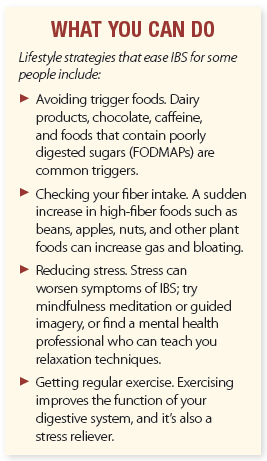
Many studies have shown that a diet low in “FODMAPs” can help relieve IBS symptoms. FODMAPs—fermentable oligosaccharides, disaccharides, monosaccharides, and polyols—are found in many foods. Foods with the highest FODMAP content include garlic, onions, pears, apples, artificial sweeteners, and foods containing lactose (dairy products) and gluten (wheat, barley, and rye). FODMAPs can cause bloating because bacteria in the colon consume them, which produces gas.
Most IBS patients don’t have to avoid all FODMAPs. Once foods are eliminated from your diet, the foods can be added back into your diet one at a time to identify which ones trigger symptoms.
Medication Options
Some IBS patients don’t get complete symptom relief with dietary changes and require medication, which is chosen based on what type of IBS you have. (IBS with constipation as a primary symptom is called IBS-c, IBS with diarrhea is called IBS-d, and some patients have alternating bouts of both.) Linaclotide (Linzess) is a drug that treats IBS-c; a medical food, EnteraGam, may be used to treat IBS-d; and a gut-only antibiotic, called rifaximin (Xifaxan), may help relieve symptoms of IBS-d.
Get an Accurate Diagnosis
If you suspect you may have IBS, it’s important to have a medical evaluation to confirm your suspicions.
“You can’t rely on self-diagnosis; you may be making the wrong assumption about what’s causing your symptoms. We don’t want people to have celiac disease or colon cancer and think they have IBS,” says Dr. Frissora.
The post Ease Symptoms of IBS with Lifestyle Strategies appeared first on University Health News.
Read Original Article: Ease Symptoms of IBS with Lifestyle Strategies »
