
Ginger it Up!
The Folklore. Bold, aromatic, and pungent, ginger (also called ginger root) has spiced up palates and herbal remedies for thousands of years. Thought to be native to southeastern Asia, ginger has long been prized in India, China, and the Middle East, before the Chinese brought it to Rome when it grew in demand and became widely traded. It’s been used extensively in the treatment of many ailments, such as colds, nausea, and arthritis. It’s also one of the most unique, well-loved flavors around the globe, starring in favorite recipes like ginger tea, Indian curries, pickled accompaniment to sushi, and, of course, gingerbread, especially the beloved gingerbread man cookie. Lucky for us, ginger also hosts many powerful antioxidant health-protecting plant compounds.
The Facts. Ginger (Zingiber officinale), a member of the same plant family as cardamom and turmeric, is the rhizome (underground rootstalk) of the ginger plant. Peek beneath the (usually) rough exterior—knobby, basic beige, and a bit craggy—to reveal a flesh that may be yellow, white, or reddish, depending on the variety. Chinese ginger, or grocery store ginger, which has a pungent flavor and pale, yellow flesh, is most common in the U.S. As a spice, only small amounts of fresh ginger are used in cooking. So, while a teaspoon sized serving doesn’t pack vitamins and minerals, it is big on aromatics, flavor, and many bioactive compounds, most notably, anti-inflammatory gingerols.
The Findings. Ginger may help reduce pain and improve mobility in people with arthritis. A study in patients with rheumatoid arthritis (RA) noted that daily ginger powder for 12 weeks improved inflammation (Gene, 2019).Several studies have shown ginger to improve gastrointestinal symptoms, such as nausea and vomiting. One study found that daily ginger supplementation improved these symptoms in patients with advanced cancer (Supportive Care in Cancer, 2019).
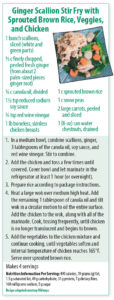
The Finer Points. There are many forms of ginger—dried, pickled, preserved, crystallized, candied, powdered, ground, and fresh, which packs the most flavor. Refrigerate unpeeled, fresh ginger a few weeks, or freeze up to six months. Keep dried and ground ginger tightly sealed in a cool, dry place. Slice, chop, or grate ginger into veggie side dishes, stir fries, soups, and roasted or mashed winter squash or sweet potatoes. Mix with soy sauce, olive oil, and garlic and use as a salad dressing or marinade. Definitely add it to baked goods for warming, sweet-smelling bliss. 
—Lori Zanteson
The post Ginger it Up! appeared first on University Health News.
