
Getting Quality Sleep Is Vital for Both Body and Brain Health
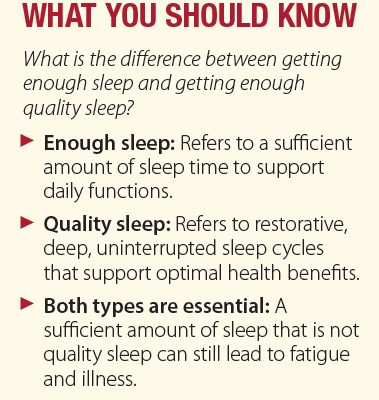
Getting a restful night’s sleep is essential for overall health, and for women, this may be even more critical. Women generally require a bit more sleep than men, yet many of us face unique challenges in achieving it. Research shows that women are about 40 percent more likely to experience insomnia, which can make falling and staying asleep a nightly struggle. Even if you don’t have insomnia, you might still find yourself waking up feeling less refreshed or dragging during the day. Beyond affecting mood and energy, poor sleep can impact physical health, raising the risk for issues like heart disease, and impaired cognitive function.
Sleep and the Body
While you sleep, your immune system produces cytokines—proteins that play a key role in fighting infections and reducing inflammation. Ongoing sleep deprivation can weaken immune defenses, making the body more vulnerable to infections and chronic diseases. For postmenopausal women, this can be especially concerning, as immune function naturally declines with age, amplifying the impact of poor sleep on overall health and resilience.
Adults who get less than six hours of sleep per night have a 20 percent higher risk of developing heart disease, experts say. “Insufficient or poor-quality sleep is strongly linked to an increased risk of coronary artery disease,” says Daniel Barone, MD, associate medical director, Weill Cornell Center for Sleep Medicine. Adequate sleep also plays an important role in maintaining healthy blood sugar levels by affecting insulin sensitivity. “Studies show that persistent sleep deprivation is linked to insulin resistance and an increased risk of developing type 2 diabetes,” says Dr. Barone.
Sleep and the Mind
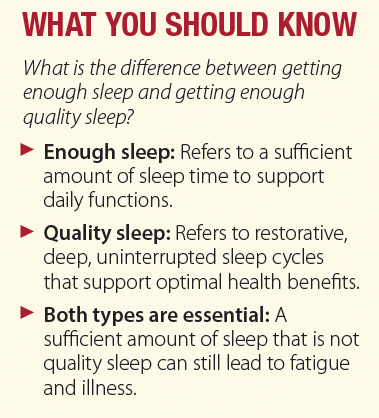
Sleep lets the brain clean out waste that can build up over time. If this waste isn’t cleared, it could lead to inflammation and brain cell damage. “Proper sleep, in terms of both quality and quantity, are vital for your brain to function well. That includes both short-term ways such as remembering and retaining information, and long-term ways such as reducing the risk of dementia and other neurodegenerative illnesses, including Alzheimer’s disease,” says Dr. Barone.
Sleep Loss Culprits and Solutions
“There is no one-size-fits-all resolution and no medication that will reverse sleep disturbances, so the solution is to find out if there is an underlying cause and, if so, take care of it,” says Dr. Barone. He recommends discussing your circumstances and symptoms with a physician, so it can be determined if you should be evaluated by a sleep disorders specialist. Prior to meeting with your doctor, keep a sleep diary for one to two weeks. Track your bedtime, wake-up time, nighttime awakenings, and daytime fatigue.
Insomnia and Sleep Apnea
The most common causes of chronic lack of sleep or poor-quality sleep are insomnia and obstructive sleep apnea (OSA). Stress, lack of exercise, chronic illness, and some medications play a role in insomnia, which refers to the inability to fall asleep or stay asleep.
OSA is a sleep disorder in which the airway becomes blocked during sleep, causing breathing to stop and start repeatedly, often leading to poor sleep quality and daytime tiredness. In many cases, people who are diagnosed with OSA are prescribed a continuous positive airway pressure (CPAP) machine, which delivers a constant stream of pressurized air through a tube that is connected to the machine on one end and to a mask that is worn over the nose, mouth, or both on the other end.
CPAP is the top treatment for moderate-to-severe sleep apnea, but many struggle with the mask, leading to noncompliance. In some cases, simply changing sleeping positions can be an effective OSA solution. “Sleep apnea gets worse when people sleep on their back. I tell my patients to stay off their back, and if they have to be on their back then sleep on an incline with their head raised,” says Dr. Barone.
Tips for Quality Sleep
To boost sleep quality, Dr. Barone says, try doing morning exercise—preferably outside—every day; create a sleep-friendly environment by keeping your bedroom cool, dark, and screen-free; and stick to a consistent bedtime and wake-up time.
The post Getting Quality Sleep Is Vital for Both Body and Brain Health appeared first on University Health News.
Read Original Article: Getting Quality Sleep Is Vital for Both Body and Brain Health »
