
Be Alert for Both Classic and Atypical Signs of Heart Attack
More than 60 million women in the United States have heart disease, and one of the most common events caused by heart disease is a heart attack. This reinforces the need for women to recognize the classic signs of heart attack in women and men—such as chest pain and pressure—as well as the lesserknown symptoms associated specifically with heart attack in women—including jaw pain, extreme fatigue, and sudden nausea.
While chest discomfort, pressure, and pain are common symptoms of heart attack for both sexes, women often suffer a heart attack with more subtle symptoms, which makes recognizing a heart attack more difficult—unless you know what to look for. You could be having a heart attack if you experience pain in your arms, shoulder, upper back, abdomen, neck, or jaw. Heart attack symptoms in women that are unrelated to physical pain include vomiting, shortness of breath, lightheadedness, weakness, exhaustion, and indigestion.
When to Go to the ER
Women are more likely than men to dismiss or minimize possible heart attack symptoms because they can be mistaken for any number of illnesses—including flu. This may explain why women are less likely than men to survive their first heart attack. One study found that women waited 54 hours—more than two days—to seek treatment for heart attack symptoms, compared with men, who waited just 16 hours. According to Tracy K. Paul, MD, a cardiologist at Weill Cornell Medicine, if you have active chest pain, or new noticeable shortness of breath with your usual level of exertion, you should head to the ER. “If you are experiencing these symptoms, the best thing to do is trust your gut and get checked out,” says Dr. Paul. If these symptoms come on with exercise or other types of exertion and go away with rest, Dr. Paul suggests making an appointment with your family doctor or a cardiologist.
Cardiac Care for Women
Because women don’t always experience chest pain when having a heart attack, their symptoms are sometimes dismissed by health-care providers. Progress has been made over the years in recognizing that heart attack symptoms can vary between women and men, but disparities in diagnosis and treatment still exist. For instance, one study revealed that women who go to the ER with chest pain are 4 percent less likely than men to have an electrocardiogram, which checks electrical activity in the heart and can indicate a heart attack.
The study also found that women with chest pain are not seen by a doctor as quickly as men, and are 5.5 percent less likely to be admitted to the hospital for observation. “Unfortunately, there is still education that needs to be done to dispel the myth that women do not have heart attacks. Hopefully, through continuing education and strategies targeted to health-care providers to combat health-care disparities, we will be better able to achieve equitable cardiac care between women and men,” says Dr. Paul.
Heart Disease Risk Factors
In general, heart disease risk factors include cigarette smoking, high blood cholesterol, high blood pressure, diabetes, obesity, physical inactivity, and having a family history of early heart disease. In addition, heart disease risk factors unique to women include the natural decline in estrogen after menopause and having a history of pregnancy-related complications such as eclampsia, preeclampsia, or gestational diabetes.
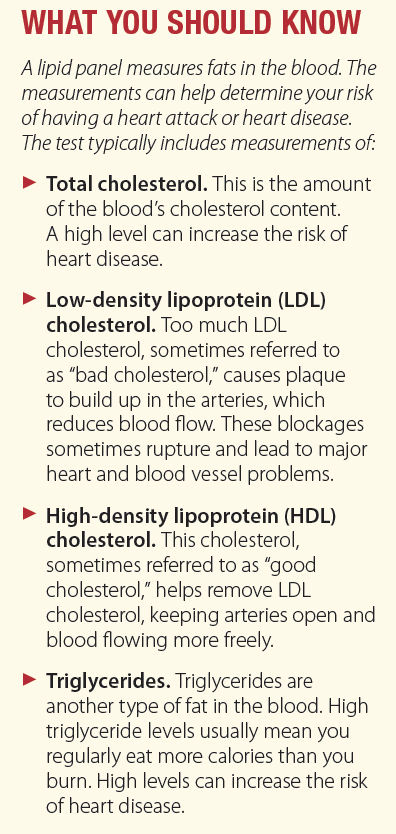
To fully understand their risk of heart disease and heart attack, women need to know their numbers—meaning their blood pressure, weight, glucose levels, and cholesterol numbers, Dr. Paul says. “If these are in the abnormal range, it is important to work on lifestyle interventions— such as getting more exercise, and eliminating unhealthy fats— to improve them. However, even with consistent lifestyle modifications, certain women may still need medications to help decrease their risk of having a heart attack,” Dr. Paul says.
If You Experience Symptoms
“Trust your instinct if you feel symptoms that are suggestive of a possible cardiac event,” Dr. Paul says. If you experience chest discomfort, or pain in your arms, shoulder, upper back, abdomen, neck, or jaw, or if you have sudden nausea, vomiting, shortness of breath, lightheadedness, weakness, extreme fatigue, or indigestion, consider that these symptoms might be related to an impending heart attack. If you have sudden-onset of any of these symptoms, call 911.
The post Be Alert for Both Classic and Atypical Signs of Heart Attack appeared first on University Health News.
Read Original Article: Be Alert for Both Classic and Atypical Signs of Heart Attack »
