
Halt Progression of Prediabetes with Lifestyle Changes
Prediabetes is more common in the postmenopausal years than many of us realize, affecting approximately one in three women over 50 in the United States. While those numbers may sound daunting, the good news is that prediabetes is far from an inevitable path to diabetes. Instead, it’s a pivotal moment— a chance to take control, make simple but powerful changes, and steer our health in a new direction. From choosing foods that balance blood sugar to adopting physical activities that energize us, lifestyle adjustments can make an enormous impact. For some women, medications add a crucial layer of support, helping the body manage blood glucose levels more effectively. Read on to discover how you can reverse the course of prediabetes and enjoy better health.
Halting Prediabetes
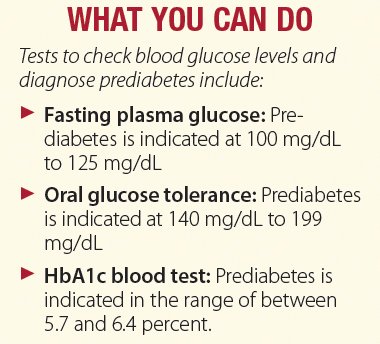
If your blood glucose levels are above normal (5.7 to 6.4 HbA1c) but not high enough for a diagnosis of type 2 diabetes, your condition is considered prediabetes. According to the Centers for Disease Control and Prevention, between 15 percent and 30 percent of people with prediabetes who don’t take steps to reduce their risk will progress to type 2 diabetes during the following five years. Halting that progression is vital since full-blown diabetes can cause circulatory damage, notably in the eyes, kidneys, and toes, which can lead to blindness, kidney disease, and amputation. “Prediabetes is really the same underlying disease as diabetes, and without a change in lifestyle or medication, it will lead to diabetes in many people. Fortunately, good evidence from the Diabetes Prevention Project (DPP) shows that even modest changes in diet, exercise, and weight can lead to prevention of diabetes in many people,” says Keith W. Roach, MD, Associate Professor of Clinical Medicine, Weill Medical College of Cornell University.
Nutrition and Weight Loss
Declining estrogen in the postmenopausal years exacerbates insulin resistance and prediabetes. “Prediabetes notably increases in women over 50 years of age. A diagnosis of prediabetes is a warning sign to change your lifestyle and stabilize your blood glucose levels to get out of that warning zone,” says Gabrielle Gambino, MS, RD, CDN, CNSC, a senior clinical dietitian at NewYork-Presbyterian/ Weill Cornell. To help reverse prediabetes, focus on meals rich in fiber, such as beans; lean protein, such as chicken; and healthy fats, such as olive oil, as these nutrients stabilize blood sugar levels and reduce cravings. Swap refined carbs like white bread and sugary snacks for whole grains, such as oats, quinoa, and whole-grain bread, which digest more slowly and prevent blood sugar spikes. Adding more non-starchy vegetables—like leafy greens, broccoli, and peppers—can provide essential nutrients without causing glucose surges.
Losing even a modest amount of weight—around 5 percent to 7 percent of your body weight—can have a powerful impact on blood sugar levels, making it one of the most effective ways to halt or reverse prediabetes. Carrying less weight reduces the strain on your body’s insulin system, helping it to manage blood glucose more efficiently. Plus, shedding those extra pounds can increase energy levels, making it easier to stay active.
While dietary changes play a crucial role in reversing prediabetes, some women may benefit from additional support through medication. “The DPP also revealed that metformin is effective at reducing the risk of developing diabetes over time in people at high risk, such as those with prediabetes,” says Dr. Roach. “And early data on the newer GLP-1 agonist drugs show even more effectiveness than metformin at preventing diabetes. Prevention is superior to treatment because there is less damage to critical organs, like the eyes, kidneys, and blood vessels.” GLP-1 agonists include Ozempic and Mounjaro.
Exercise and Stress Reduction
Regular physical activity is also a critical element in lowering blood sugar levels and reducing insulin resistance. Aim for at least 150 minutes a week of moderate exercise, like brisk walking or cycling, to improve glucose control and boost overall metabolic health.
Stress reduction is often overlooked in discussions about prediabetes, but high levels of stress can increase production of cortisol, a hormone that raises blood sugar levels. Meditation and deep breathing exercises along with diet, exercise, and, in some cases medication, can help reverse or halt progression of prediabetes.
The post Halt Progression of Prediabetes with Lifestyle Changes appeared first on University Health News.
Read Original Article: Halt Progression of Prediabetes with Lifestyle Changes »
