
Celebrate in Moderation to Minimize Seasonal Weight Gain
During the winter, holiday food splurges, longer periods of darkness, and being more sedentary because of weather conditions all contribute to the body’s tendency to hang on to more calories than are normally burned off in spring and summer. Women, particularly those over 50, may experience more pronounced seasonal weight changes due to hormonal fluctuations, which can make managing weight more challenging. By maintaining a balanced diet, staying active, and applying some of the tips in this article, you may still enjoy your favorite festive foods while possibly avoiding the need to include “lose five pounds” on your list of New Year’s resolutions.
Holiday Treats and Health Implications
The average American adult gains between five and seven pounds during the winter. Avoiding winter weight gain can be challenging, especially with holiday foods ready to tempt us at every turn. “Holiday gatherings are a major part of the season for many of us, but sometimes, these gatherings can be big contributors to seasonal weight gain,” says Gabrielle Gambino, MS, RD, CDN, CNSC, a senior clinical dietitian with NewYork-Presbyterian/Weill Cornell Medical Center’s Advanced Heart Failure Service. Even worse, “Studies have shown that holiday weight gain may be cumulative—meaning, many of us are holding on to these extra pounds even after holidays are over, and the cycle continues each year,” she says.
If you want to avoid this repetitive cycle, it helps to be mindful of the health implications. “Weight gain and excess fatty tissue can lead to chronic, low-grade inflammation that can wreak havoc on many organ systems in the body. For instance, if excess weight affects the pancreas, it can impact the way we metabolize sugar,
which contributes to an increased risk of developing diabetes. Low-grade inflammation can affect the cardiovascular system, ultimately making the heart work harder to pump blood throughout the body. Additionally, excessive body fat can change hormone levels, which could lead to an increased risk for stroke and other cardiovascular diseases. Adipose (abdominal) fat tissue stores that exceed healthy levels can also lead to the development of asthma and sleep apnea,” says Gambino.
Don’t Be Overly Restrictive
Whether you’re gathering with family members, senior-center pals, or your office co-workers for a winter holiday party, odds are there will be tempting confections. Being overly restrictive can end up being counterproductive. Permit yourself to have a cookie or two—but not half a dozen. “Those cookies are some of the best treats we have all year. It’s important to enjoy the holidays and not put extra pressure on yourself. Sometimes if we avoid foods we love, we end up overindulging later. Additionally, when we associate guilt with a particular food, sometimes that takes away from the enjoyment and creates negative thought patterns that do more harm than good for overall well-being. Have the cookie, and remember to enjoy it when you do,” says Gambino.
When you know you’ll be attending a party and you’re going to have dessert, be mindful about what you do before the gathering. “Try to eat healthful, nutrient-rich meals to ensure you’re fueling your body with the components it needs to thrive. This will help you avoid the urge to overindulge later in the day,” says Gambino. “For instance, I always start my day with a high-protein and fibrous meal like eggs with steel-cut oatmeal. It’s a great way to regulate hunger hormones and stay full throughout the day.”
Cold and Dark Days
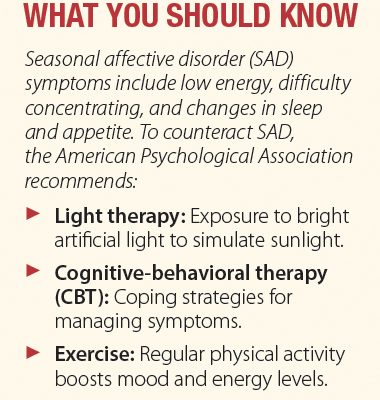
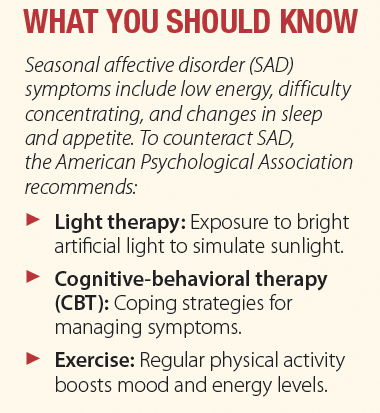
While winter offers lots of opportunities for socialization and celebration, it’s not uncommon to experience seasonal affective disorder (SAD), a type of depression that results from reduced exposure to sunlight. This can disrupt circadian rhythms and lead to a drop in serotonin and melatonin, which can affect mood and sleep patterns, and lead to increased cravings for high-calorie comfort foods. Cold weather and darker days also make outdoor exercise less comfortable, and potentially less safe. At-home light therapy using a special lightbox to simulate natural sunlight can help alleviate symptoms of SAD by improving mood and energy levels, and home workouts using online videos or exercise DVDs can shield you from frigid weather and help stave off holiday party calories.
By being mindful of holiday indulgences and staying active even in the colder months, it is possible to enjoy festive food traditions without inviting the health risks associated with seasonal weight gain.
The post Celebrate in Moderation to Minimize Seasonal Weight Gain appeared first on University Health News.
Read Original Article: Celebrate in Moderation to Minimize Seasonal Weight Gain »
