
Are Ultra-Processed Foods Harmful to Health?
Have you ever opened a bag of potato chips and found it impossible to eat just one? How about one of those sweet snacks of youth, like Chips Ahoy or Oreo cookies dipped in milk? Could you eat just one? If you’re like most people, the answer is no.
“Ultra-processed foods (UPFs) are addictive,” says UCLA senior clinical dietitian Dana Hunnes, PhD, MPD, RD. “Food companies design them to have optimal flavor and texture. There are food scientists whose whole careers are devoted to finding optimal flavor and texture profiles so that people want to consume more of these products.” Hunnes digs deep into the science and consequences of consuming these foods during the classes she teaches on nutrition and chronic disease at the UCLA Fielding School of Public Health. “Studies show that UPFs are known to be correlated with increased risk for chronic diseases, obesity, and inflammation.” she explains. “The more UPFs people eat, the higher the calorie density of their diet, but the less fiber, antioxidants, and anti-inflammatory compounds they are eating as well.”
So, it isn’t just what is in UPFs that is health harming. It’s that eating UPFs usually means people are eating fewer nutritious, whole foods. This can lead to deficiencies in essential nutrients and other beneficial compounds found in whole foods.
Prevalence and Consequences
Consumption of UPFs has increased over the past two decades across nearly all segments of the U.S. population, according to a recent study by researchers at NYU School of Global Public Health. The study, published in the American Journal of Clinical Nutrition, found that 53% of a person’s calories came from UPFs in the beginning of the period studied (2001-2002) and that figure climbed to 57% by the end of the study (2017-2018).
Coinciding with the rise in eating UPFs is the growing rate of obesity. According to nationwide surveys the National Institutes of Health has conducted since the early 1960s, U.S. obesity rates have tripled over the last 60 years. Severe obesity, also known as morbid obesity, has risen tenfold. A recent study in Current Obesity Reports reported that diets high in UPFs were associated with a 79% increased risk for obesity, triggering a whole host of health issues, from heart disease to diabetes.
Classifications and Concerns
UPFs, as defined by the NOVA classification system (a widely recognized system to categorize foods based on the extent and purpose of their industrial processing), include soft drinks, packaged snacks, reconstituted meat products, prepared frozen dishes, and more. These items are typically high in calories but poor in nutrients. For example, they are loaded with unhealthy fats (trans fats, saturated fats), sugars, salt, stabilizers, emulsifiers, preservatives, and colors. Many of these additives are not extensively tested. Product manufacturers conduct their own tests and report findings to the FDA to gain approval for product sales. That’s a slippery slope.
There is a growing concern among researchers about the rise of chemicals used and the processing methods of UPFs. A study published in the Journal of the Academy of Nutrition and Dietetics found that 60% of foods purchased by Americans contain food additives such as coloring or flavoring agents, preservatives, or sweeteners.
On the American Medical Association podcast “What Doctor’s Wish Patients Knew” Stephen Devries, MD, a preventive cardiologist in Chicago said, “Ultra-processed foods are clever manipulations of mostly unhealthy ingredients titrated to appeal to common cravings. …Our bodies are naturally drawn by evolution to the sweetness of fruit because of its associated nutritional value. Compounding the problem with ultra-processed foods are the ingredients added to enhance shelf life…which are better at preserving shelf life than human life.”
Given the plethora of nonfood substances in UPFs, is there a point at which the word “food” becomes irrelevant? Chris van Tulleken, MD, author of Ultra Processed People, writes that these products are not foods but industrially-made edible substances.
An international 2023 analysis published in the British Medical Journal stated that UPFs need to be studied not just from a nutritive standpoint but from a processing and additives perspective because the many food additives in UPFs may also have detrimental effects. In the analysis, researchers cited several studies that suggest harmful health effects for many additives currently approved for use. There are associated observations of inflammation, DNA damage, and gut microbiome dysbiosis. This condition causes microbial imbalances, potentially leading to intestinal inflammation, a compromised gut barrier, and a disrupted immune system.
Categories and Safety of UPFs
The United Kingdom has a food labeling warning system using a traffic light metaphor. For example, amber and red colored labels warn people of foods high in fat and salt content. In a Daily Mail newspaper article, Dr van Tulleken argues that’s not enough and calls for a black box warning for UPFs. Given the reluctance to adopt the genetically modified organisms (GMOs) label, it could be a while before the UPF warning is even considered. Still, are all UPFs really so bad? After all, some products are more processed and additive filled than others. Consider, for example, plant-based Impossible Burgers.
“From a health standpoint, yes, the Impossible Burger is a UPF and, like their actual meat counterparts, ought not to be eaten daily,” cautions Hunnes. “However, compared to white, starchy, sugary, salty foods, these are still ‘healthier’ than Pop-Tarts, for example.”
If you are unsure whether a product is a UPF, look at the ingredients. If the list is filled with long, unpronounceable additives, items not normally found in a kitchen, it’s a UPF.
Cigarettes and UPFs
In a YouTube interview Dr. van Tulleken said, “What cigarettes are to lung cancer, UPFs are to diet-related disease.” If you think that’s hyperbole, consider this: As part of the research for his book, he ran a study on himself, complete with blood samples and magnetic resonance imaging (MRI) scans of his brain. For an entire month he ate only UPFs. The outcome? He gained 13 pounds, and his appetite hormones were turned upside down. After eating UPFs, leptin, a hormone that is supposed to signal fullness, barely registered satiety. And the hormone that signals hunger, ghrelin, was sky high, triggering the impulse to eat more. Another consequence of his monthlong UPF diet was a doubling of C-reactive protein, a measure of overall inflammation in the body. The MRI brain scans, which mapped oxygen, blood flow, and connectivity between brain regions, showed increased connectivity in the brain areas of desire and reward.
As Dr. van Tulleken learned more about the health harms of UPFs, he wanted to stop eating them, but the physiological rewards made it very difficult. That’s true for a lot of people. Some people can “eat just one.” But for many willpower isn’t enough because UPFs hijack the brain, making it impossible not to overeat.
Reduce and Eliminate UPFs
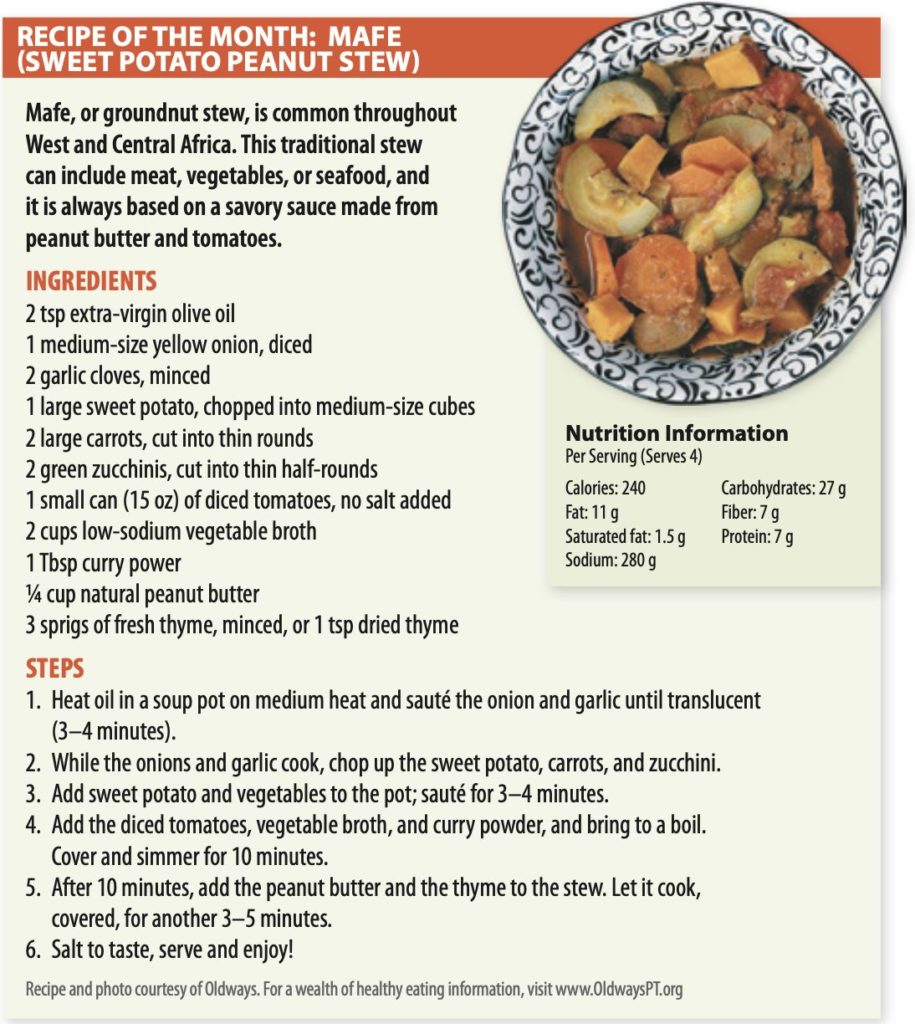
As the popular adage says, your body is your temple. What you feed it matters and affects everything from mood to energy to your ability to fight off diseases. Short of hiring a personal chef, the best way to eliminate UPFs from your diet is to spend time in the kitchen lovingly making healthy foods. Hunnes recommends creating meal plans and learning how to cook simple but flavorful meals from whole-food ingredients. “There are many whole-food, plant-based recipes (or omnivore recipes) that can be fairly quick and easy to make with easy-to-find ingredients that are whole foods and don’t require huge amounts of prep time,” she says. In addition, she suggests using frozen fruits and vegetables, which may be less expensive, tastier, and equally healthy. They can also save on prep time, as they are often pre-washed and pre-cut.
A diet containing a lot of UPFs often means consuming fewer nutritious foods, robbing your body and brain from needed nutrients to function well. It doesn’t mean you shouldn’t ever eat them, though that’s a wise choice. It’s just valuable to know what’s in that bag or box before you put it in your mouth.
The post Are Ultra-Processed Foods Harmful to Health? appeared first on University Health News.
Read Original Article: Are Ultra-Processed Foods Harmful to Health? »
