

Diet and Hemorrhoids
Hemorrhoids affect about half of U.S. adults over age 50, yet few people want to talk about them. Itching, pain, and bleeding in the nether regions are difficult to sit with in silence, let alone share over a cup of coffee. Fortunately, we can help ease symptoms and even prevent hemorrhoids with dietary changes.

What are hemorrhoids?
Hemorrhoids (also called piles) are an inflammation of the blood vessels that line the anus. They may be internal or external. Risk factors include chronic constipation, straining during bowel movements, older age, and increased pressure due to pregnancy or excess body fat. Despite unpleasant symptoms, they usually go away on their own and are rarely dangerous.
Focus on dietary fiber.
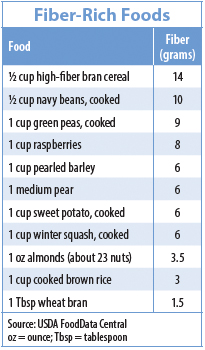
Consuming the recommended amount of dietary fiber is one of the main ways to prevent and treat hemorrhoids. Fiber is a carbohydrate that cannot be broken down by the digestive system. Coarse insoluble fiber stimulates the intestinal walls to secrete water and mucus, making stools easier to pass. Soluble fiber forms a gel with water that keeps stools soft. Both types of fiber add bulk to the stool, which triggers the intestines to keep things moving along. Most foods that contain dietary fiber will have both soluble and insoluble fiber. Good sources of soluble fiber include oats, peas, beans, and fruits like apples and citrus. Insoluble fiber sources include beans, whole grains, wheat bran, many vegetables, and nuts.
“Studies suggest that a diet habitually high in fiber—particularly insoluble fiber—helps prevent the formation of hemorrhoids and helps reduce bleeding and other symptoms if they do develop,” says Joel B. Mason, MD, a gastroenterologist and Friedman School professor. Mason recommends eating lots of fruits and vegetables to help reach the recommended 20 to 30 grams of fiber each day. Liquid helps the fiber work better, so increase your intake of water and other fluids as you increase your fiber intake.
Should you supplement?
Increasing dietary fiber through foods is ideal, but a fiber supplement may be necessary in some cases. “The idea is to have several bowel movements per week without producing diarrhea,” Mason says. See page 2 of this newsletter for a discussion of psyllium, a common fiber supplement that has been shown to be effective for relieving constipation in most people. Talk to your health-care provider before starting a fiber supplement, as they may not be appropriate for people with certain medical conditions or may interfere with certain medications.
Whether or not you add supplements to your diet, be sure to eat plenty of fruits, vegetables, beans, whole grains, and nuts/seeds and drink plenty of water and other unsweetened beverages to keep things moving and keep the pressure off those veins. When buying packaged foods, check the Nutrition Facts label for grams of fiber per serving. See the Take Charge! box for more tips.
The post Diet and Hemorrhoids appeared first on University Health News.
