
What to Do If You Think You’re Having a “Nervous Breakdown”
The term “nervous breakdown” is commonly used to refer to an inability to function normally; it’s often described as a feeling of being overwhelmed and unable to cope with life’s demands. Some health-care professionals refer to it as a “mental health crisis.”
“While the term ‘nervous breakdown’ is not an actual clinical condition or diagnosis, the term is widely used to describe an emotional state of feeling overwhelmed and experiencing difficulty functioning in everyday life activities,” explains Susan Evans, PhD, professor of psychology in clinical psychiatry and director of the Cornell Cognitive Therapy Clinic.
A woman experiencing a nervous breakdown may be unable to work or meet other responsibilities, such as caring for children or other family members or engaging in domestic duties such as shopping, cooking, and cleaning.
Common Signs of a Crisis
People who describe how they feel when having a nervous breakdown often mention one or more of these symptoms:
- Feeling hopeless or helpless
- Change in appetite and eating habits
- Significant weight gain or weight loss
- Change in sleep patterns (insomnia, inability to stay asleep, sleeping for many hours but feeling fatigued)
- Nausea and/or vomiting
- Withdrawal from family and friends
- Panic attacks (chest pain, difficulty breathing, racing heartbeat).
Sometimes, a medical condition or substance abuse issue can further complicate the severity of a mental health crisis.
What Causes a Nervous Breakdown?
A mental health crisis is often brought on by extreme stress caused by the death of a loved one, loss of a job, divorce, or other traumatic life event, but it also may result from prolonged, ongoing stress that gradually takes a toll on your health.
“Chronic stress depletes our physical and mental reserves and can have a profound negative effect on our well-being, including contributing to depression and other emotional disorders. Chronic stress also can impact our cognitive abilities, including thinking, concentration, and memory,” says Dr. Evans.
Other Contributors
Sometimes, conditions such as anxiety or depression can cause a crisis if they are untreated. In addition, these conditions may become more severe when a highly stressful event occurs.
Depression is a condition that is both under-recognized and undertreated and may mimic what people refer to as a nervous breakdown. Symptoms of depression may include a loss of interest in usual activities, social withdrawal, trouble thinking and concentrating, and a feeling that life may not be worth living. Sleep and appetite are often affected.
Dr. Evans also says that significant anxiety can contribute to a nervous breakdown. Anxiety is characterized by worry about potentially threatening events that may occur in the future; a person may become so preoccupied with worry that it impacts his or her ability to function. Dr. Evans notes that anxiety often translates into physical symptoms, including muscle tension and pain, irritability, trouble concentrating, and sleep difficulties.
“If you recognize these symptoms in yourself or someone you know, it is important to inform your physician,” emphasizes Dr. Evans.
Treatment Options
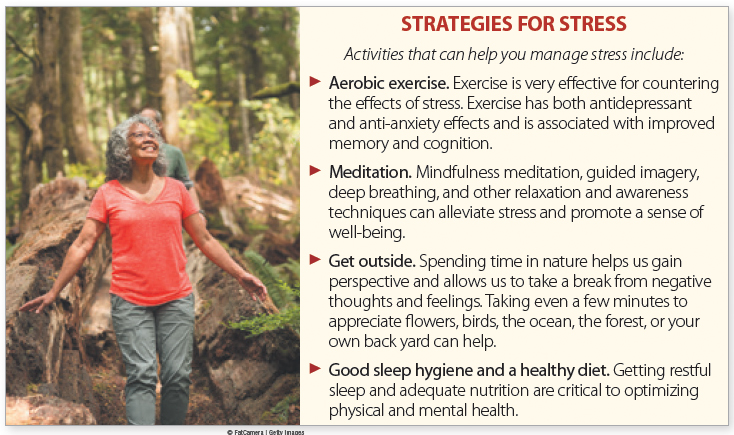
Effective treatments for mental and emotional problems include medication and cognitive behavioral therapy, and stress management techniques can be helpful (see below).
If you are diagnosed with depression and/or anxiety, antidepressants or antianxiety medications may be prescribed. Psychotherapy (also called counseling) involves meeting with a mental health professional, such as a psychologist, and solving problems by exploring your thoughts, feelings, and behaviors.
The post What to Do If You Think You’re Having a “Nervous Breakdown” appeared first on University Health News.
Read Original Article: What to Do If You Think You’re Having a “Nervous Breakdown” »
