
Heart Attack Symptoms Don’t Always Occur in Your Chest
Although health experts have known for many years that women’s risk of heart disease increases significantly following menopause, many women still think of heart disease as more of a “man’s disease.” However, heart disease is the top cause of death in the U.S. in both women and men.
One of the most common manifestations of heart disease is a heart attack; each year, more than 800,000 Americans have heart attacks.
What Causes a Heart Attack?
Myocardial infarction, known more commonly as a “heart attack,” occurs when there is a sustained decrease in blood flow (infarction) to the heart muscle (myocardium).
“Blood flow is decreased due to buildup of cholesterol in the blood vessels (coronary arteries) of the heart, which narrows the vessels, and/or to disruption of the cholesterol buildup that leads to complete blockage of the coronary arteries,” explains Tracy K. Paul, MD, a core faculty member at the Weill Cornell Medicine Women’s Heart Program. Blood carries oxygen throughout the body, so decreased blood flow means less oxygen.
“When the heart doesn’t receive enough oxygen, the result is heart muscle dysfunction, which can manifest as chest pain, left arm pain, shortness of breath, nausea, or fatigue, among others,” says Dr. Paul.
A Variety of Symptoms
The most common, classic heart attack symptom is an uncomfortable pressure, pain, or squeezing sensation in the center of your chest. “However, women are more likely than men to experience different symptoms, including pain in one or both arms, neck or jaw pain, shortness of breath, breaking out in a cold sweat, sudden-onset nausea/indigestion, or extreme fatigue—even in the absence of ‘classic’ chest discomfort,” says Alicia Mecklai, MD, co-director of the Weill Cornell Medicine Women’s Heart Program. Other possible symptoms include upper back pain and feeling weak, dizzy, or lightheaded.
Gender Differences
In both men and women, the two main coronary arteries supply blood to the heart muscle. Like all other muscles, the heart needs oxygen-rich blood to function normally.
In both men and women, an interruption in blood flow to the heart is caused by a cholesterol blockage in one of the main arteries. However, women are more likely than men to have chest pain or a heart attack without having such a blockage.
“Spontaneous coronary artery dissection— a tear in the coronary artery—is an important cause of heart attacks in women. Cardiac syndrome X is another cause of chest pain more commonly seen in women and is caused by damage to the walls of the heart’s smaller coronary vessels (not the main coronary arteries). This is also called microvascular angina or microvascular ischemia,” says Rebecca Ascunce, MD, a core faculty member at the Weill Cornell Medicine Women’s Heart Program.
Diagnostic tools and treatment options for a heart attack are the same for men and women. However, because women often present later in the course of their heart attack and their symptoms may be different than classic chest pain, there can be a delay in timely diagnosis and treatment.
“This has improved over the years as awareness of the risks of heart disease to women has increased. We encourage women to seek care right away, even if they are not experiencing the classic chest pain symptoms,” says Nivee Amin, MD, MHS, director of the Weill Cornell Medicine Women’s Heart Program.
Women-Only Risk Factors
“Some risk factors play a bigger role in the development of heart disease in women, including emotional stress, depression, and having a history of autoimmune disease, such as rheumatoid arthritis or lupus. Risk factors unique to women are the natural decline in estrogen after menopause and having a history of pregnancyrelated complications such as eclampsia, preeclampsia, or gestational diabetes,” explains Dr. Mecklai.
Risks factors for both men and women include cigarette smoking, high blood cholesterol, high blood pressure, diabetes, obesity (particularly abdominal or central obesity), physical inactivity (getting less than the recommended 150 minutes of moderate exercise per week), and having a family history of early heart disease.
Reduce Your Risk
Women can lower their risk of having a heart attack in several ways.
“For women who have not been diagnosed with heart disease, it is important to maintain good blood pressure control, to limit the amounts of saturated fat and sodium in the diet, to engage regularly in physical activity, and to not use tobacco products. For women who have been diagnosed with heart disease, these steps are just as important, as well as working with a cardiologist who can tailor a care plan specific to the woman’s needs and type of heart disease she has,” says Dr. Amin.
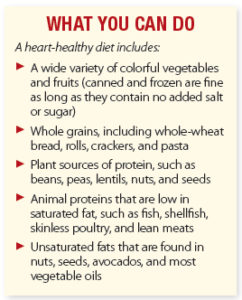
For all women, it is important to follow a healthy, plant-based diet that limits fried foods, processed foods, foods high in saturated fat such as fatty meats, and foods high in added sugars and sodium (salt). A lifestyle that supports heart health also includes quitting smoking, exercising regularly, and maintaining a healthy weight, as well as treating any underlying medical conditions you have, such as diabetes, high cholesterol, and high blood pressure.
“In addition, recognizing that heart disease is the most common cause of death for women in the U.S. is a crucial part of the prevention strategy for both patients and doctors alike,” says Dr. Ascunce.
The post Heart Attack Symptoms Don’t Always Occur in Your Chest appeared first on University Health News.
Read Original Article: Heart Attack Symptoms Don’t Always Occur in Your Chest »
