
Maintain Your Motivation to Exercise
It’s an exciting new year, and you boldly declare that you are totally determined to do it this time: make exercise a regular part of your life. If you’re like most people, you start out strong, but by the time February rolls around, that determination fades. Other priorities take precedence; perhaps work or grandchildren place greater demands on time. Maybe a backburner household chore suddenly jumps to the top of your to-do list. Or after a few dedicated weeks, you feel entitled to take a break and binge watch TV. Enthusiasm wanes. We’ve all been there.
But there are ways to thwart complacency and boredom. Even people who deeply understand that daily movement is essential to well-being (e.g., physical and occupational therapists) can be apathetic about their own exercise from time to time. Like everyone, they need personal motivations and strategies to stay the course. When asked what helps keep them motivated when they feel lazy, the number one response is, “I know I will feel better after I do it.”
Study after study validates that statement, citing that exercise improves mood, reduces stress, minimizes pain, helps sleep, and enhances sports performance. And that’s just scratching the surface of how daily movement can improve quality of life. Here’s how you can get moving and keep moving.
Expert Strategies to Overcome Apathy
“I put on my shoes and place one foot in front of the other without thinking about it,” says UCLA physical therapist Cindy Graham. “I have never regretted doing it, though I might have to remind myself of that fact.”
Graham also recommends exercise first thing in the morning, “before you’ve had a chance to list all the reasons why you can’t fit it into your day.” Consider scheduling exercise onto a daily calendar like you would any other important appointment. Being realistic and consistent helps UCLA occupational therapist Krista Barron stay on track. She recommends fitting in a walk after lunch or dinner. UCLA physical therapist Christiana Sheehy suggests making a social commitment. “If I tell myself I’ll run after work, I’ll often cancel if I have a headache or am not in the mood. But if I tell a friend I’ll run with them, I almost never cancel.”
Solidify Your Plan with Goals

Get an exercise buddy. It’s harder to forgo exercise when you promise someone else you’ll show up.
“To make exercise a lifestyle, you need some good goals to stay motivated,” says UCLA physical therapist Kyle Newbrey. “For me, it’s being healthy and active for my daughter as well as being an example for my patients. Finding your goal and then committing to a routine for at least one month can help solidify a lifestyle.”
Make it personal. Regular exercise can satisfy a wide range of goals. What matters most is that your goal is meaningful to you. Do you want more energy? To feel better in your clothes? To reduce blood pressure? Sleep better? Feel more joyful? To feel less stiff and sore? To have a better golf game? To increase stamina for a ballroom dance event? Exercise can help fulfill all those desires.
Determine frequency and duration. Consider this: There are 168 hours in week, yet you need to devote 2.5 to 5 hours per week to meet the U.S. Department of Health and Human Services recommendations. More specifically, the guidelines state that the activity be moderate-intensity aerobic exercise. Vigorous-intensity exercise can help you reach recommended activity goals even more quickly. Seventy-five minutes (1¼ hours) of vigorous aerobic activity is equivalent to 2.5 hours of moderate-intensity activity. Just 30 to 60 minutes of exercise five days per week gets it done.
All movement matters. A gym is nice, but you don’t really need one. UCLA regional manager of Rehabilitation Services Tara Calderon prefers outdoor nature-based activities, such as hiking with her dogs. UCLA physical therapist Sue Stich feels less sore and stiff because she walks and does exercises using her kitchen counter at home. You too can build a routine to fit your place of preference. For example, combine formal exercises (e.g., biking, weight-lifting, yoga) with physical activities such as household chores, gardening, or playing active games with grandchildren. Other people might set their sights on walking their first marathon, so daily steps and muscle-strengthening exercises become the focus. Perhaps you’ve always wanted to trek to Machu Picchu or ride a bike in Bryce and Zion National Parks. Make a plan, get in shape and make it so.
Track activities. Logging helps you witness your progress, stay focused on your goals, and keep motivation high. An article published in the Journal of Sports Medicine analyzed 25 high-quality studies that addressed the efficacy of wearable activity devices used in a comprehensive weight-loss program. While not much benefit was seen in young adults, the study found middle- age or older people lost more weight when activity trackers were added to short-term weight-loss interventions.
There are many ways to track activity, including smartphone apps, online sites, and fitness-tracker wristbands. A simple dedicated notebook/calendar is perfectly fine, too. Just make a few notes and you’re done. For example, for aerobic exercise, jot down the date, activity, and minutes. For resistance training, record the date and each exercise with sets, reps, and amount of weight lifted. You can give yourself credit for other physical activity, too. For example, time spent washing the car and mowing the lawn with a walking mower are forms of exercise. “Anything that makes you breathe harder or sweat is exercise,” says Barron.
And Ellen Wilson, executive director of UCLA therapy services adds, “Almost anything can be exercise for me. That includes walking my dog, doing housework with vigor, being on the treadmill or hiking outdoors while listening to podcasts.”
How to Choose It and Do It
With the multitude of exercise fads and even established trends beckoning for your attention, it’s easy to get stuck in “analysis paralysis.” You might wonder which exercises are really the best to do? Should I do it in the morning or at night? How to decide?
“Don’t overthink it,” advises Wilson. “Starting is the hardest part. So just get moving.”
Make it happen by committing to something solid. Take a class. Sign up for a trip that includes your chosen activity (for example a yoga retreat, kayak adventure, or cross-country skiing). Book a session with a personal trainer or Pilates instructor. Now is an ideal time because many exercise experts, outfitters, and health clubs offer New Year’s specials. Take advantage of them. But don’t forget to read the fine print so you don’t get stuck in a long-term commitment.
If you’re just getting started or coming back to exercise after a long hiatus, it’s wise to be realistic about your starting abilities. For some people, that might mean having a conversation with their physician. For example, if you have high blood pressure or are taking heart rhythm medications, get advice on how to exercise safely for your condition. Similarly, if you’ve been inactive due to an injury or have joint or muscular issues, consult with a physical therapist who can build an exercise plan ideal for your needs.
Experience the Power of Movement
Building the exercise habit isn’t always easy, but once the habit is formed, you may be surprised how much you look forward to that time to yourself. You may even feel dissatisfied if you miss a session because in a relatively short period of time most people realize how much better it feels to live in a body that is strong and flexible. The mind benefits, too; exercise helps you think more clearly and rationally, and emotions are better balanced.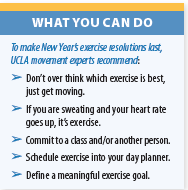
All that is true whether you’re a toddler or an elder deep into the 7th or 8th decade of life. The extraordinary benefits of physical activity can’t be overemphasized.
At first you may have to push yourself to move, but in time you’ll find that movement gives back in extraordinary and unanticipated ways. “Working in health care can be emotionally draining at times,” says UCLA physical therapist Emma Graham. “By staying active, I keep my cup full. I am happier and more joyful. I literally cannot wait to go surfing every day.”
The post Maintain Your Motivation to Exercise appeared first on University Health News.
Read Original Article: Maintain Your Motivation to Exercise »
