

Prevent Sunburn and Get Your Vitamin D
Vitamin D is called the sunshine vitamin because when the sun’s ultraviolet (UV) rays reach the skin, they trigger the production of vitamin D. However, worries about skin cancer present a dilemma: Can you avoid harmful sun rays with sunscreens and still get needed vitamin D? In short, yes.
“An international panel of experts found that sunscreens in general are unlikely to cause vitamin D deficiency in healthy individuals,” says dermatologist Elizabeth Yim, MD, UCLA Medical Center Division of Dermatology. “The amount of UVB needed to generate vitamin D is considered very low, and even optimal use of sun blocks still allow vitamin D synthesis. One study reported UV radiation equivalent to 30 minutes of sunlight three times per week was enough to achieve an adequate amount of vitamin D in fairskinned individuals.”
Ultraviolet B (UVB) rays and ultraviolet A (UVA) rays both can damage skin, which is why a “broad-spectrum” sunscreen is advised. Dr. Yang Yu, also a dermatologist with the UCLA Division of Dermatology, says, “You don’t need sun to make Vitamin D if you are already receiving it from your diet or supplements.” If you are out in the sun, she recommends wearing clothing that covers your arms and legs, and a hat with a wide brim to shade your face, head, ears, and neck. “Look for clothing with a UPF (ultraviolet protection factor) tag,” she advises. “A UPF 50 shirt provides excellent coverage, letting less than 2.5% of the UV rays to pass through the material.”
Avoiding Dry Skin in Summer
Skin can dry out from time spent in swimming pools, saltwater, and even air conditioning. After a swim, rinse off with fresh water. If possible, use a mild soap for your hair and skin. Because moisturizers trap water in your skin, it’s best to apply them within five minutes post shower. In general, cool or warm water is best, as hot water will further dry the skin.
Also, keep in mind that air conditioners do more than just blow cool air; they “condition” the air by removing heat and dampness. The colder the AC temperature, the more it can dry out skin. So, consider a slightly higher temperature during the day and drop it down a bit at night for sleep.
Repelling Biting Bugs
“Last year, the mosquito season was quite dreadful,” recalls Dr. Yim. “Bug spray is one way to prevent bites from occurring, and a spray with eucalyptus oil is a non-DEET alternative. However, if one does get bitten, a mild topical steroid like hydrocortisone would be helpful in decreasing inflammation and itch.”
The Environmental Protection Agency (EPA) recommends the use of products evaluated for effectiveness. The EPA website (http://tiny.cc/bugrepellent) has a handy dropdown menu where you can select how long you will be outside and which evaluated products may work best to repel mosquitoes, ticks, or both. Some include sunscreen. But if you are using two different products, apply the
sunscreen before the bug repellent. The right clothing also helps protect you from insects and the sun. Hikers in forested/rugged terrain should wear long sleeves with pants tucked into boots, both of which also will help guard against scrapes and encounters with bugs, poison ivy, and other skin-irritating plants.
Preventing Heat Rash
Also known as prickly heat and miliaria, heat rash is an inflammation of the skin caused by blocked sweat glands. It’s itchy and uncomfortable but can be treated at home and typically goes away in a few days. There are four types of heat rash. The most common is prickly heat rash with its telltale red bumps. Clear heat rash is the mildest form and looks like small, clear beads of sweat on top of the skin. Yellow or white rash can be a sign of infection. Deep heat rash typically appears as large firm bumps and is caused by chronically inflamed sweat glands.
Heat rash tends to develop around creases in the skin (e.g., armpits, neck, groin) and where skin rubs against adjacent skin. Tight clothing exacerbates the problem by inhibiting evaporation. The same is true of heavy creams and lotions, which can block sweat glands. Treatment recommendations include simply cooling down with a shower or cold compresses, seeking shading and air-conditioned spaces, and avoiding products that block pores. The use of mild antibacterial soaps and anti-itch medications containing calamine, menthol, or camphor can help relieve the annoying itch.
Brown Patches: Melasma
Excessive sun exposure may trigger melasma, brown patches that appear on the cheeks, forehead, nose, and chin. The condition mainly affects people with darker skin tones. Health-care providers treat melasma with various skin-lightning creams, topical steroids, chemical peels, and dermabrasion, but the patches can return. Minimizing sun exposure, wearing a wide-brimmed hat, and using SPF 30 sunscreens are generally recommended as part of the prevention/treatment strategies.
Most of these problems aren’t serious and typically subside within a few days. Some urgent-care centers may be able to treat these common summer skin-related maladies. “Telemedicine is a great alternative for most nonurgent visits,” adds Dr. Yim. “For closer evaluation of the skin, an office visit is best in case additional tests like cultures or biopsies are needed.”
See a dermatologist in person for persistent skin issues, fever or chills that accompany a rash, any new, rapidly expanding growths, and a mole that suddenly starts bleeding and causes pain.
If you opt for a telemedicine visit for lesser skin irritations, Dr. Yu
advises doing so from a quiet location with a strong internet connection and good lighting. “It’s helpful to take several focused pictures of the affected area and share them with your doctor during the visit,” she says.
Vitamin D and the Immune System
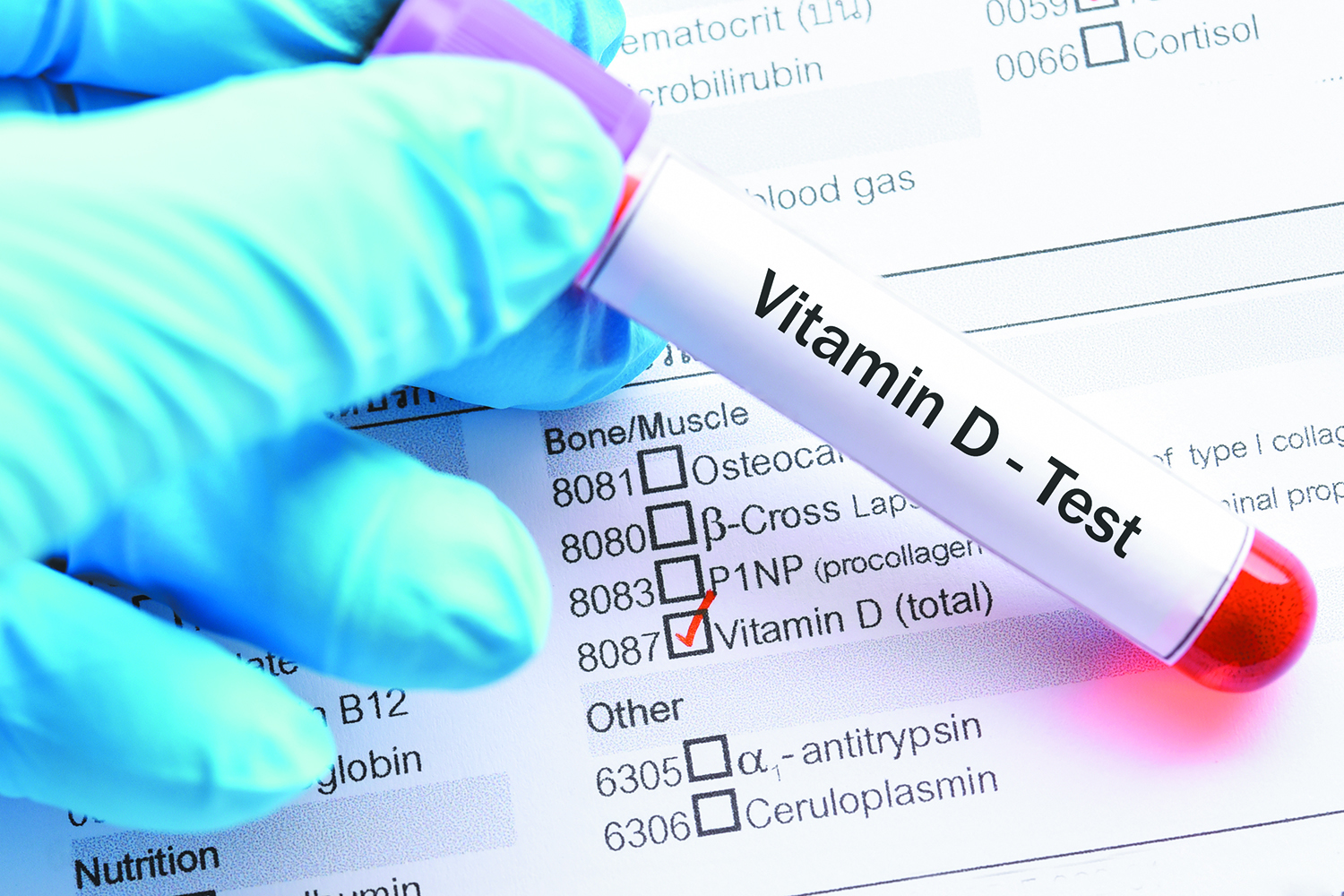
“Get your current vitamin D level checked to determine whether or not you need a supplement,” advises Hunnes. “Vitamin D is a fat-soluble vitamin, and therefore it’s possible, though rare, to overdose, especially if you are not deficient. If you are low, take a supplement based on your need and then be rechecked.”
Vitamin D has long been known for its role in protecting bones. But it also plays a part in the immune system. Research suggests that vitamin D can help regulate innate and adaptive immune system responses. These two systems work together. The innate immune system is the body’s first defense against pathogens (a.k.a. germs). It responds in the same way to all germs and foreign substances, which is why it is sometimes called the “nonspecific” immune system. The adaptive immune system kicks in if the innate system isn’t able to destroy germs. The adaptive system targets a specific type of germ, but it first needs time to identify it. This system is slower to respond but more targeted in its approach. It also has the ability to remember germs and can respond faster when the same one is encountered in the future.
Inflammation: Normal and Not
The immune system triggers inflammation to destroy pathogens. But excessive inflammation can cause problems and weaken the body. For
example, some older people and those with multiple health conditions have had extreme inflammatory responses to COVID-19, leading to hospitalization and the need for ventilators. Because vitamin D may decrease the inflammatory response, it may help reduce the severity of COVID-19 illness in people whose vitamin D levels are low. Studies in the pre-COVID era have shown that supplementing people who are low in vitamin D decreases their risk of respiratory tract infection. Research into the use of vitamin D as prevention and treatment for COVID-19 is ongoing.
Meanwhile, it’s obviously important to get adequate levels of vitamin D and to understand what might make levels suboptimal. People without a balanced diet that includes foods that contain or are fortified with vitamin D are at greater risk of deficiency. Dairy products, some cereals, orange juice, plantbased milks, and white mushrooms are commonly fortified with the vitamin. According to Dana Hunnes, PhD, MPH, UCLA Medical Center, older adults in general are at increased risk for vitamin D insufficiency in part because aging skin is less able to metabolize vitamin D. Some older people also may spend less time outdoors in the sunshine compared to younger adults. It’s wise to be tested before you supplement.
The post Prevent Sunburn and Get Your Vitamin D appeared first on University Health News.
Read Original Article: Prevent Sunburn and Get Your Vitamin D »
