
Could You Be Deficient in Vitamin B12?
Vitamin B12 is best known—and most promoted—as a cure for fatigue, but this vitamin is important for much more
than keeping energy levels up. Vitamin B12 deficiency symptoms include everything from depression, fatigue, and memory loss to canker sores and dizziness.
Vitamin B12 plays crucial roles in maintaining the health of your blood cells, digestive system, brain, and nervous system. And while fatigue due to anemia is sometimes a symptom, recent research shows that many people have vitamin B12 deficiency without anemia or significant fatigue. Instead, they have vitamin B12 deficiency symptoms that are more related to impairments in the nervous system.
Low Vitamin B12 Symptoms: Most Often Caused by an Impaired Nervous System.
In the nervous system, vitamin B12 is necessary for the formation of myelin, a whitish insulating sheath around nerve fibers that increases the speed at which impulses are conducted. It is also needed for the production of some neurotransmitters.
Vitamin B12 deficiency, therefore, may result in defective myelin synthesis and neurotransmitter imbalances, leading to a host of symptoms (physiological, emotional, and cognitive) related to the nervous system.
Some of the most common symptoms of low vitamin B12 include:
- Numbness, tingling (“pins and needles”) of the lower legs and feet
- Dizziness, increased risk of falling
- Memory loss and attention deficits
- Irritability, depression, mania
- Mouth sores, recurrent canker sores
- Fatigue, shortness of breath
- Increased risk of fracture
- Mild diarrhea or constipation
- Impaired vision

Causes of Low B12.
What contributes to vitamin B12 deficiency? Not eating animal products, not making enough stomach acid (hypochlorhydria, common with aging), an autoimmune disorder called pernicious anemia, and certain medications, especially acid-blocking medications (proton pump inhibitors and H2 blockers) for GERD and acid reflux, and metformin for diabetes.
Treating Vitamin B12 Deficiency Symptoms.
Treatment for vitamin B12 deficiency usually starts with B12 injections. Some patients need regular injections for life, depending on the cause of the deficiency. After vitamin B12 shots have returned the body’s levels to normal, it may be possible to switch to oral vitamin B12 supplements.
A vitamin B12 supplement may contain a few different forms of the vitamin, including cyanocobalamin, methylcobalamin, hydroxocobalamin, and adenosylcobalamin. While all these forms are capable of treating vitamin B12 deficiency, methylcobalamin is superior for oral use. The typical recommended dose for treating vitamin B12 deficiency is 2,000 micrograms per day.
How Much Vitamin B12 is Needed to Prevent Deficiency?
The Recommended Dietary Allowance (RDA) of vitamin B12 details the average daily intake level that may be sufficient to meet the nutrient requirements of nearly all (97 to 98 percent) healthy individuals. For individuals (male and female) ages 14 years and older, the RDA for vitamin B12 is 2.4 micrograms (mcg) per day.
Food Sources of Vitamin B12.
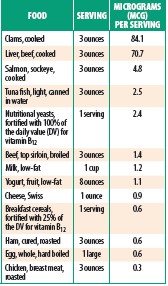
Vitamin B12 is naturally found in animal products, such as meat, fish, poultry, eggs, milk, and milk products. This nutrient is generally not present in plant foods but vitamin B12 may be added as a fortifier to cereals. The following table outlines levels of vitamin B12 in some common foods.
The Bottom Line.
If you think you might be deficient in vitamin B12, be sure to talk with your doctor. The doctor may recognize the possibility of a vitamin B12 deficiency based on a physical exam and a review of your symptoms. Ultimately, a simple blood test can reveal your actual vitamin B12 levels and then you can plan your next steps accordingly
The post Could You Be Deficient in Vitamin B12? appeared first on University Health News.
Read Original Article: Could You Be Deficient in Vitamin B12? »
