
Frozen Meals
Frozen meals can be a quick lunch or dinner when you have no time or motivation to cook. They can also be a way to get some variety if you bring your lunch to work. Fortunately for us, many
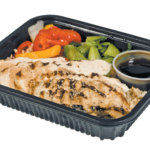
Frozen meals have come a long way in nutrition.
© Juanmonino | Getty Images
companies have come a long way from the sodium and saturated fat laden bombs they used to be. But there are still some things to be aware of before filling your freezer with assorted boxed meals.
These days there are more options available that lean towards the healthy side than the not so healthy side. In addition, it seems like, in general, sodium levels have come down. This is great news because sodium content has always been one of the biggest issues when it comes to these types of meals. However, there are still meals in the freezer case that provide nearly a day’s worth of sodium, so this is still something you want to check on the Nutrition Facts Panel. For those that regularly check sodium levels, be aware that levels might be a bit higher than you’re used to because these are entire meals and therefore, they make up a larger part of your daily intake than something like a snack or a side dish.
Helpful Hints. Keep the following in mind when grabbing frozen meals to add to your grocery cart.
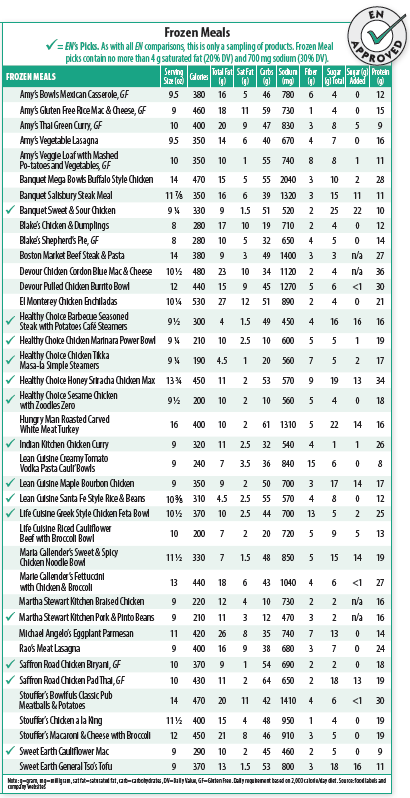
- Check the sodium. Traditionally, frozen meals are high in sodium. Lately, those levels are dropping, but it’s still something to check out. Aim for sodium levels below 700 milligrams.
- Boost up the meal. Despite the beautiful pictures on the box, most of these meals lack a full serving of fruits or veggies. To boost your nutrient and fiber-filling intake, add an additional serving of fruit and/or veggies to your meal.
- Check the size. A few meals are considered two versus one serving. Be sure to check this so you’re aware of what you’re eating, nutrient-wise.
The post Frozen Meals appeared first on University Health News.
