
Screening Is Central to Colorectal Cancer Prevention
Many women mistakenly think of colon cancer as primarily a men’s health issue, which may explain why women often delay or skip screening altogether. However, colon cancer doesn’t discriminate—it’s the third leading cause of cancer-related deaths for both women and men. According to the Centers for Disease Control and Prevention (CDC), colon cancer—also referred to as colorectal cancer (CRC)—is the most common cancer in women, after breast and lung cancer. CRC is often called a “silent killer” because it may not present symptoms until it has advanced, yet it’s one of the most preventable and treatable cancers when detected early.
Early Detection Matters
CRC can develop silently, taking 10 to 15 years for precancerous polyps to turn into cancer. Screening can detect precancerous polyps, which can be removed before disease develops. The U.S. Preventive Services Task Force (USPSTF) recommends that adults ages 45 to 75 get screened regularly, with earlier screening advised for those with a family history of CRC or conditions such as inflammatory bowel disease. “Colon cancer often runs in families, so knowing your family history helps your doctor personalize your screening and prevention recommendations,” says Keith Roach, MD, associate professor of clinical medicine at Weill Cornell Medicine.
Screening Options
Screening for CRC can be done in several ways. While colonoscopy is considered the gold standard, there are alternatives available for those who prefer less-invasive options.
Colonoscopy: This test involves inserting a flexible, camera-equipped tube into the rectum to examine the entire colon. It typically takes about 30 minutes under sedation, and if polyps are found they are removed. Colonoscopy requires preparation to clear the colon for optimal visibility, usually involving a clear liquid diet and laxatives the day before. Although the prep process can be unpleasant, it is temporary and safe. If no polyps are detected during a colonoscopy, the next test is recommended in 10 years. If polyps are found, follow-up screenings may be needed every three to five years.
Fecal tests: Options like the fecal immunochemical test (FIT) and Cologuard detect blood or abnormal DNA in stool samples. These are less invasive, but positive results typically require follow-up with a colonoscopy.
Virtual colonoscopy: This test uses CT imaging to examine the colon. While it doesn’t require sedation, the preparation process is similar to a traditional colonoscopy. If polyps or abnormalities are found, a standard colonoscopy will still be necessary.
Each method has benefits and limitations, and the choice depends on personal preferences, medical history, and discussions with your doctor. “This cancer is highly preventable by following the screening guidelines. Cancers can be found early or prevented entirely by removing polyps that might become cancer later,” says Dr. Roach.
Colonoscopy Preparation Tips
Preparing for a colonoscopy can seem daunting, but proper preparation ensures accurate results. Before starting, stock up on clear liquids like broth, fruit juices, gelatin, and decaffeinated soft drinks, avoiding anything red or purple that can interfere with visibility. Clear your schedule for the prep day and arrange for post-procedure transportation, as sedation will impair your ability to drive.
Prevention and Lifestyle
Lifestyle choices play a role in CRC prevention. Following a healthy diet and engaging in regular physical activity can reduce a person’s risk of CRC by as much as 45 percent. “Regular exercise and a diet high in fruits and vegetables reduces the risk of many cancers, including colon cancer,” says Dr. Roach.
Don’t Wait for Symptoms
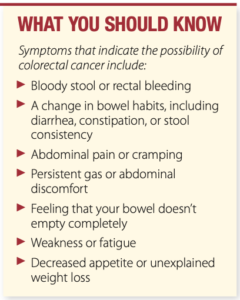
CRC rarely presents symptoms in its early stages, so following screening guidelines is crucial. If you experience warning signs like blood in your stool, changes in bowel habits, or persistent abdominal pain, make an appointment with your physician immediately. But don’t wait for symptoms—screening is your best chance to prevent or detect CRC early.
The post Screening Is Central to Colorectal Cancer Prevention appeared first on University Health News.
Read Original Article: Screening Is Central to Colorectal Cancer Prevention »
