
Sip Water Throughout the Day to Stay Hydrated and Healthy
Of all the things you can do to stay healthy, sipping water throughout the day is probably the easiest and possibly the most beneficial. The average person’s body is made up of over 50 percent water, and maintaining that level is critical. The primary reason drinking water is so important is that it can prevent dehydration, which can cause your body to overheat, can lead to constipation and kidney stones, and can even result in unclear thinking and mood changes.
What’s more, recent research showed that drinking enough water is associated with a lower risk of dying early, and that study participants who had higher sodium levels in their blood— which may indicate dehydration—had an increased risk for developing chronic diseases such as dementia, lung disease, diabetes, and heart failure.
“Staying hydrated is crucial to good health because water is essential for many processes that our bodies go through every minute of the day. Without adequate hydration, organ function can be compromised, making us feel sluggish, tired, and in extreme cases, can send us to the hospital,” says Gabrielle Gambino, MS, RD, a senior clinical dietitian at NewYork-Presbyterian/ Weill Cornell Medicine. “Water does so many important things, including providing digestion support, clearing out bacteria from our kidneys and bladder, cushioning our joints, regulating our temperature, supporting a normal blood pressure, and keeping our electrolytes in check,” she explained.
Aging and Dehydration
It is even more important for women to stay hydrated as they age, according to Gambino, who points out that with age, the amount of water in our bodies decreases, leading to a water deficit. “Our body temperature regulation also tends to be less efficient as we get older because our thirst cues aren’t as strong as they once were,” says Gambino. Other factors that make the need for sufficient hydration as we age more important include side effects from medications, more frequent bouts of illness, and in some cases less robust kidney function than we had when we were younger. “All of these factors can lead to an increased risk of dehydration, so it’s important to watch for cues that you need more water—such as severe headaches and muscle cramps—even if you aren’t necessarily feeling thirsty,” says Gambino.
If you find water a little boring, it’s not the only beverage that can aid in hydration. “Water is ideal for most people, but seltzer and flavored waters can also serve as alternatives for those who don’t find plain water appealing,” says Gambino. For people who participate in extensive physical movement throughout the day, sports drinks, such as Gatorade and Powerade, are appropriate. “But these products tend to have a high amount of sugar and sodium, which is essential for people participating in sports for a prolonged period of time, but not a good choice for more sedentary people,” says Gambino.
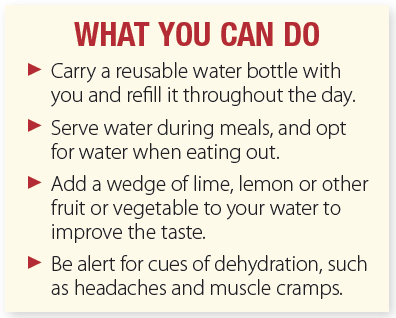
Also, there are times when drinking a sufficient amount of water or other beverage is more important than others. Think of instances when you’re sweating more than usual, or prone to a higher body temperature, such as when you’re participating in an exercise class or even when you’re outside for prolonged periods of times, such as during an outdoor celebration—all of these occasions can pose a higher risk for dehydration.
If you’re wondering how much water you need to drink to stay healthy, there is no set rule because it varies by your activity level and even the climate you live in. But experts say the well-known recommendation to drink eight glasses of water a day is a reasonable goal and one that is easy to remember.
Foods that Hydrate
If drinking this much every day doesn’t sound appealing to you, there are foods that can help augment your hydration goals. Melons, berries, and citrus fruits are among the fruits that have a high amount of water per volume, and leafy greens, cucumber, and celery are examples of vegetables that are high in water content. As a rule of thumb, about 20 percent of daily fluid intake usually comes from food and the rest from drinks.
Gambino says people with certain conditions such as advanced heart failure or kidney problems may be prescribed diuretics or put on a restricted fluid regimen to keep their fluid retention normal, so be sure to check with your physician before upping your water intake. Once you get the thumbs up from your doctor to increase hydration, let the sipping begin and reap the associated health benefits.
The post Sip Water Throughout the Day to Stay Hydrated and Healthy appeared first on University Health News.
Read Original Article: Sip Water Throughout the Day to Stay Hydrated and Healthy »
