
Boost Energy with Healthy Food Choices and Eating Strategies
If you’re looking for a way to stay energized throughout the day, skip the energy drinks, coffees, and sugary, highfat snacks: Most of the “energy” in these products comes from sugar, caffeine, and white flour. It’s true that these products can give you a quick energy boost, but it will wear off just as quickly, leaving you feeling fatigued—and looking for your next boost of energy.
For sustained energy, look to healthy, whole foods, such as high-quality protein, whole grains, and fruits and vegetables. These foods break down more slowly and provide your body with a continuous cache of fuel, so instead of an energy spike followed by a crash, you’ll have a steady supply of energy. These foods will also help keep you feeling full longer, so they are smart choices for anyone who is trying to shed extra pounds.
The Power of Protein
“Protein provides sustained energy; it breaks down more slowly than carbohydrates and keeps you full for a longer period of time. Include a healthy source of protein in every meal and snack. You can pair protein with fiber-rich, complex carbohydrates, such as whole grains, vegetables, and fruits—just keep your portions under control,” says Janet Feinstein, MS, RDN, CDN, a registered dietitian at Weill Cornell’s Comprehensive Weight Control Center.
For example, start your day with eggs (each whole egg provides 7 grams of protein) or yogurt (a 5.3-ounce container of 2%, unsweetened Greek yogurt provides between 12 and 15 grams of protein). If you’re going to have starches, choose small portions of whole-grain foods, like one piece of whole‑grain toast.
“A protein shake is another good option. Start with a base ingredient that’s high in protein, such as unsweetened yogurt or nonfat or low-fat milk, or you can add protein powder,” advises Feinstein. “Or you can try ready-to-drink protein shakes that contain 5 grams or less of added sugar.” Brands Feinstein suggests include Premier, Pure Protein, and Owyn.
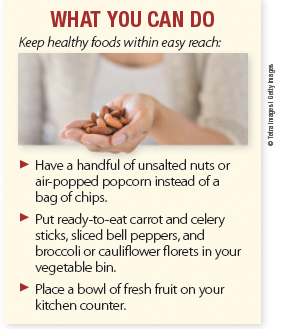
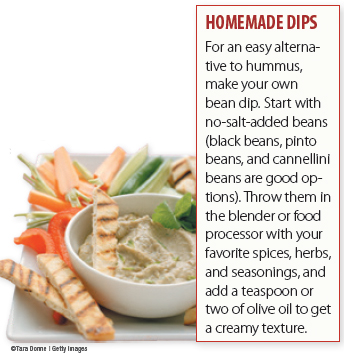
To get over a mid-afternoon slump, have some protein-rich hummus, bean dip, or nut butter with whole-grain crackers and some celery or carrot sticks. Another good high-protein snack is medium-fat cheese—feta cheese, goat cheese, cottage cheese, and fresh mozzarella are choices Feinstein recommends.
Eat More Frequently
Eating every few hours can provide constant energy and keep your metabolism going.
“Overeating is a common problem,” says Feinstein. “People who are trying to lose weight often skip meals and wait to eat until they’re too hungry, and then they eat way more than they need to. This is often followed by an energy crash, which promotes feelings of hunger. Switching to smaller meals and snacks throughout the day can boost your energy while keeping you satiated.”
What About Breakfast?
“You don’t have to eat right away in the morning, but if you eat breakfast, you’re more likely to not overeat at night. The evening is the most common time that people make unhealthy food choices,” says Feinstein. “Try to eat during daylight hours. This gives you a 10–12 hour window of eating time and helps prevent late-night snacking.”
Avoid Processed Foods
Eating processed foods that are high in added sugar and/or fat, such as sodas, juice drinks, candy bars, cookies, or baked goods, can cause your energy level to spike and then crash.
“When you consume a lot of added sugar and/or fat, your body produces more of the hunger hormone ghrelin, which makes you feel hungry,” says Feinstein. “My patients often report getting stuck in this cycle where they feel they have no control over their hunger. The way to stop this cycle is to eat high-quality protein, fiber-rich vegetables, and small amounts of carbohydrates that are naturally high in fiber and contain no added sugar.”
It’s also important to drink water throughout the day to stay hydrated; dehydration can cause feelings of fatigue. If you don’t care for plain water, try flavored, zero-calorie seltzer waters, or add citrus slices to your water.
“Sometimes, people think they’re hungry when they’re actually thirsty, so it is important to get adequate fluids,” says Feinstein.
The post Boost Energy with Healthy Food Choices and Eating Strategies appeared first on University Health News.
Read Original Article: Boost Energy with Healthy Food Choices and Eating Strategies »
