
Inflammatory Foods May Damage the Brain

© Peter Dazeley | Getty Images
Foods can affect the brain’s wellness.
Diets containing greater amounts of inflammatory foods are associated with higher incidences of brain aging versus diets higher in anti-inflammatory foods. Researchers from the University of Texas Health San Antonio reported results from a 7-year study in which 1,897 adults (average age 62 years old) completed several food frequency questionnaires. Participants also underwent multiple brain magnetic resonance imaging (MRI) assessments. Diets were assessed using the Dietary Inflammatory Index (DII), a dietary score that was developed to measure the potential impact of a diet on the inflammatory status of a person. MRI study results indicated that diets high in inflammatory foods were associated with increased markers of brain aging and cerebral small vessel disease. In particular, diets that were considered pro-inflammatory were associated with a smaller total brain volume, smaller total gray matter volume, and larger lateral ventricular volume when compared with an anti-inflammatory diet. These markers of brain volume and vascular injury may be early indicators for dementia. Among the most pro-inflammatory components on the DII are trans fats, saturated fats, and total energy intake (when consumed in excess). The takeaways? Give your diet a thorough once-over and identify ways in which you can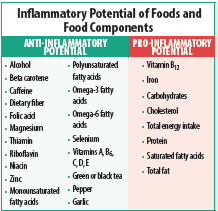 reduce your intake of inflammation-promoting foods and look to increase your intake of anti-inflammatory foods.
In general, diets with a higher DII score indicate an increasing range of pro-inflammatory potential (likely contributing to inflammation in the body), whereas lower DII scores may reflect the anti-inflammatory potential of the diet which may help prevent or lessen inflammation in the body (see table).
The post Inflammatory Foods May Damage the Brain appeared first on University Health News.
Read Original Article: Inflammatory Foods May Damage the Brain »
