
Vegetarian vs. Vegan Diets
Plant-based diets are growing in popularity, as people look to gain health and environmental benefits. According to the Vegetarian Resource Group, 3.3 percent of the population is vegetarian, and about half of those are vegan. Younger adults (18-34 years) have the highest rate of vegetarianism (5.3 percent), suggesting continued growth on the horizon. So, what is the difference between these two eating styles? Why do people choose vegetarian vs. vegan diets and vice versa? Though many people have their own personal interpretation and adherence, here are the basics.
Vegan Diet
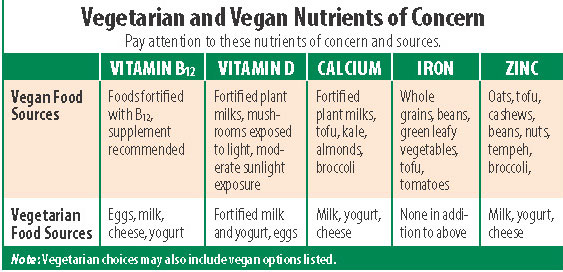
A vegan diet excludes all animal foods, including animal flesh, dairy products (cheese, milk, yogurt, butter), eggs, and honey. While many foods such as milk, yogurt, and meat are obviously non-vegan, there are many hidden animal ingredients in foods such as supplements, sauces, baked goods, and processed foods. Vegans may also avoid products associated with animals beyond the dinner plate, including clothing, accessories, and cosmetics that are made with animal products such as leather, silk, or wool.
Vegetarian Vs. Vegan Diets: The Main Difference
A vegetarian diet typically refers to a lacto-ovo vegetarian diet, which means a diet that excludes all animal flesh, but allows for dairy products and eggs. Hence, this eating pattern and lifestyle is less restrictive than a vegan diet, though it still may require attention to ingredients lists on food products and restaurant menus.
The Benefits
It has become increasingly clear that vegetarian and vegan diets offer many benefits. The evidence is so solid that the Dietary Guidelines 2015-2020 suggests a vegetarian-style eating pattern as one of three diet patterns for optimal health. And the Academy of Nutrition and Dietetics reports that these diets, when appropriately planned, are appropriate for all ages and may reduce the risks of chronic disease and obesity.
The Adventist Health Study 2 compared five diet patterns (non-vegetarian, semi-vegetarian, pescatarian, vegetarian, and vegan) among 96,000 participants, discovering that, overall, the more plant-based the diet, the greater the benefit for conditions like body weight; blood cholesterol, insulin, blood pressure, and inflammation levels; and risks of cancer, heart disease, type 2 diabetes, and mortality. There were even environmental benefits; vegetarians had a 28 percent lower carbon footprint than non-vegetarians, and vegans had a 42 percent lower carbon footprint. The bottom line: go plant-based and reap the rewards.
—Sharon Palmer, RDN
The post Vegetarian vs. Vegan Diets appeared first on University Health News.
Read Original Article: Vegetarian vs. Vegan Diets »
Powered by WPeMatico
