
8 Tips on How to Cure Depression
If you’ve been feeling down in the dumps for an extended period of time, you may be suffering from depression. You’re not alone, as millions of other Americans experience this common disorder. The bright side is that there are a number of effective lifestyle strategies you can take to fight depression. Here are eight steps on how to cure depression:
When you exercise, your body releases endorphins and promote nerve cell growth. Exercising for at least 30 minutes a day can be just as effective at relieving symptoms of depression as many medications. Research also suggests that even moderate exercise can help, such as taking a light walk or gardening 20 to 30 minutes a day.
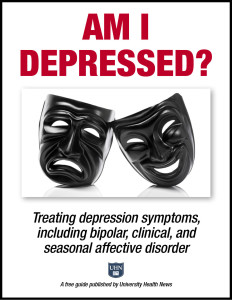
Get Honest Answers!
Download this expert FREE guide, “Am I Depressed?” Treating depression symptoms, including bipolar and clinical depression, and seasonal affective disorder.
In this free guide, you’ll find depression tests to help you self-diagnose your condition before seeing a physician.
- Eat healthy
Many processed foods and fast foods contain trans fat; a diet high in trans fat may increase your risk of depression. A study found that participants with an elevated consumption of trans-fat had a 48% increase in the risk of depression compared to participants who did not consume the same fats. Opt instead for a diet rich in foods with healthy polyunsaturated fats, such as fish and vegetable oils.
- Get an adequate amount of sleep
Understandably, some people suffering from depression may have trouble sleeping due to stress and anxiety. On the other hand, some may find it difficult to get up in the morning, opting instead to stay in the comfort of a warm bed and dark room. The optimal amount of sleep for individuals from 18 to 64 years old is 7-9 hours a night, according to the National Sleep Foundation. Aim to get that much rest on a daily basis.
- Manage stress
This may be easier said than done. Try to avoid negative people or environments that can trigger a stressful situation. A proven approach: Find an enjoyable, relaxing activity when you feel your stress levels getting too high. Go for a walk, take a bike ride, or meditate—and take a vacation or at least a long weekend when needed. Take a step back, regroup, and continue.
- Let it out
Don’t keep your feelings inside. Bottled-up grief or anger can build up until finally exploding. Talk to a family member, friend, or therapist, or even write down your thoughts in a journal. A good cry can also be very therapeutic.
- Try natural remedies
There are multiple natural health remedies you can take to fight depression. St. John’s wort is a flower extract available in most pharmacies and health food stores. It can be helpful in relieving mild to moderate depression. However, some studies have shown mixed results in treating depression when compared to a placebo. Dopamine supplements can help increase your feelings of motivation and pleasure. Dopamine is naturally produced and released in the body when you approach and reach goals. When dopamine is released, it comes with a good feeling and a boost of energy. Supplements, such as L-Tyrosine, Rhodiola, Mucuna, and L-theanine, can help your body naturally produce dopamine. As is the case with traditional medication, natural supplements can also produce negative side effects. Consult your doctor before trying any natural depression remedy.
- See a specialist
You may have a close bond with your general practitioner; however, he or she may not be the best option for treating your depression. A psychiatrist, psychologist, psychiatric nurse, social worker, or therapist may be better suited for your needs. Find one in your local area and make an appointment, or ask your primary care doctor for a suggestion. There are also organizations that offer support groups, such as Anxiety and Depression Association of America and Depression and Bipolar Support Alliance. Local religious or community centers in your area may also offer support groups. The American Psychological Association offers a psychologist locator on their website. If you’re concerned about a loved one who may be suffering from depression, one way to help may be to compile a list of local resources that can offer help and give them gentle encouragement to seek it.
- Medication
Doctors sometimes prescribe medication to overcome depression. These medications are most often used to adjust the brain chemicals (neurotransmitters) that lead to depression. The most common are antidepressants. Antidepressants are broken down into several classes, such as Selective Serotonin Reuptake Inhibitors (SSRIs), Serotonin and Norepinephrine Reuptake Inhibitors (SNRIs), Norepinephrine-Dopamine Reuptake Inhibitors (NDRIs), and Reuptake Inhibitors and Receptor Blockers. Your doctor will be able to prescribe a certain type of antidepressant based on the symptoms you are experiencing as well as your family history. If your healthcare provider prescribes a medication to treat your depression symptoms, make sure you ask questions about possible side effects. Read more about depression medication here.
If you or a loved one are suffering from depression, it can be difficult to overcome. The first step, and most important, is recognizing and admitting that there is a problem. It’s also crucial to remember that certain treatments may work for some, and not others.
Originally posted in September 2016 and updated.
The post 8 Tips on How to Cure Depression appeared first on University Health News.
Read Original Article: 8 Tips on How to Cure Depression »
Powered by WPeMatico
