
Sip Kombucha Well
You may just be seeing it on your grocery store shelves recently, but kombucha has been around for more than 2,000 years. For most of its existence, kombucha was brewed at home, but in the last two decades companies have begun mass producing it, making it readily available to everyone. Kombucha is a very simple beverage made from a combination of tea and sugar, juices for added flavors, and the magic ingredient: A “scoby” (symbiotic colony of bacteria and yeast), which promotes fermentation of sugar and develops its sour, fizzy taste.
Numerous health claims have been made about this beverage, including its ability to treat cancer, diabetes, hair loss, and more. However, the research is more cautious: Some studies show promising potential health benefits, while others don’t support benefits at all. While kombucha may not be the cure to the world’s ills, it does offer some health potential. Like other fermented foods, kombucha contains probiotics, which are good bacteria also found in your body. Including probiotics in your diet can nourish your gut’s population of bacteria, promoting a healthy digestive and immune system.
Helpful Hints. Here are some things to keep in mind the next time you’re craving some of that sweet-sour refreshment.
► DIY. It’s fairly easy to make kombucha yourself, which allows you to add any personal flavors you prefer, and save a great deal of money (some brews fetch up to $6 for a bottle). Just brew a tea and sugar mixture, add some pre-made kombucha (this acts as your “starter”), and the scoby (you can get this from a kombucha-making friend, buy it online, or make it yourself). You can find step-by-step instructions for making scoby and kombucha at www.thekitchn.com.
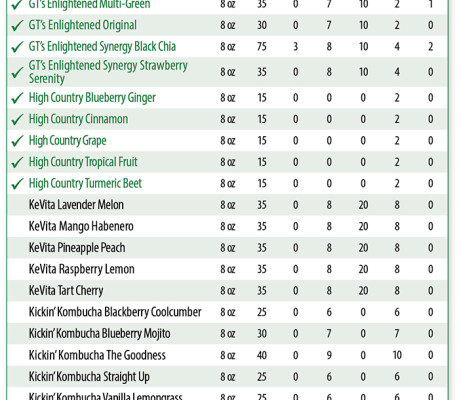
► Some like it sweet. If dietary sugar is a concern, check the nutrition label before choosing which kombucha brand to bring home. Some are fairly low in sugar, while others have the equivalent of 3 teaspoons of sugar in an 8-ounce serving.
► Drinking and driving? As a natural result of fermentation, kombucha contains a small bit of alcohol—usually not more than one percent. Drinking it should not impair driving or cause other problems, however it’s important to be aware of this if you have to avoid alcohol for specific reasons.
—Heidi McIndoo, MS, RD

The post Sip Kombucha Well appeared first on University Health News.
Read Original Article: Sip Kombucha Well »
Powered by WPeMatico
